
- What is a lease agreement?
- Lease agreement vs rental agreement: what is the difference?
- What are the standard clauses in a lease agreement?
- What should you check before signing a lease agreement?
- How does a security deposit work in a lease agreement?
- How much does it cost to break a lease?
- How do you break a lease legally?
- What happens when a lease agreement ends?
- Tennessee vs South Carolina lease rules at a glance
- How do new-construction rental communities handle lease agreements differently?
- Frequently Asked Questions
- Sources
In brief: A lease agreement is a legally binding contract, usually for 12 months, that locks a renter's monthly rent and right to occupy a home while setting the security deposit, late fees, repair duties, entry rules, and the cost of leaving early. Breaking a lease usually costs one to three months of rent, or two to four months all-in without a termination clause. In Tennessee, late fees are capped at 10 percent with a 5-day grace period; in South Carolina, landlords must give 24 hours of entry notice and return deposits within 30 days.
A lease agreement is the single most important document you will sign as a renter, and most people read it in under ten minutes. That is how renters end up paying a two-month termination fee they did not know existed, losing a deposit over a carpet they never damaged, or discovering that their rent can rise with 30 days of notice. This guide explains every clause in a standard residential lease agreement, shows you exactly what it costs to break one, and lays out the rules that apply in Tennessee and South Carolina, where Right Time Homes builds and leases new-construction homes.
What is a lease agreement?
A lease agreement is a legally binding contract between a landlord and a tenant that gives the tenant the right to occupy a property for a fixed period, usually 12 months, in exchange for rent. It sets the monthly rent, the move-in and move-out dates, the security deposit, who pays for utilities and repairs, and the penalties if either side breaks the terms. Once both parties sign, neither can change the core terms until the lease ends.
Two features separate a lease from a handshake deal. First, the rent is locked. A landlord cannot raise it during a 12-month lease unless the lease itself contains an escalation clause. Second, the term is locked. The tenant cannot simply leave in month four without a financial consequence, and the landlord cannot ask the tenant to leave in month four without a legal reason such as nonpayment.
In Tennessee, residential leases in counties with more than 75,000 residents (which includes Knox County) are governed by the Uniform Residential Landlord and Tenant Act, Tennessee Code Title 66, Chapter 28. In South Carolina, every residential lease falls under the South Carolina Residential Landlord and Tenant Act, Title 27, Chapter 40. Both laws set minimum protections that a lease cannot override, even if you sign something that says otherwise.
Lease agreement vs rental agreement: what is the difference?
A lease agreement runs for a fixed term, most often 12 months, and locks both the rent and the tenancy for that period. A rental agreement is usually month-to-month: it renews automatically each month, and either side can end it or change the terms with written notice, which is 30 days in both Tennessee and South Carolina. Leases trade flexibility for stability; rental agreements do the reverse.
| Feature | Fixed-term lease (12 months) | Month-to-month rental agreement |
|---|---|---|
| Length | Fixed, commonly 6 to 15 months | Renews every month |
| Can rent change mid-term? | No, unless the lease says so | Yes, with 30 days written notice |
| Can the tenant leave early? | Only with a fee or a legal exception | Yes, with 30 days written notice |
| Can the landlord end it? | Only for cause (nonpayment, violation) | Yes, with 30 days written notice |
| Typical rent level | Lower; landlords reward commitment | Higher; often a $100 to $300 monthly premium |
| Best for | Families, relocations, anyone staying a year | Short assignments, people between homes |
Most renters are better off on a fixed-term lease. The month-to-month premium adds up to $1,200 to $3,600 over a year, and the risk of a 30-day notice to vacate is real in a tight market. Month-to-month makes sense only if you know you will move within a few months or you are waiting on a home purchase to close.
What are the standard clauses in a lease agreement?
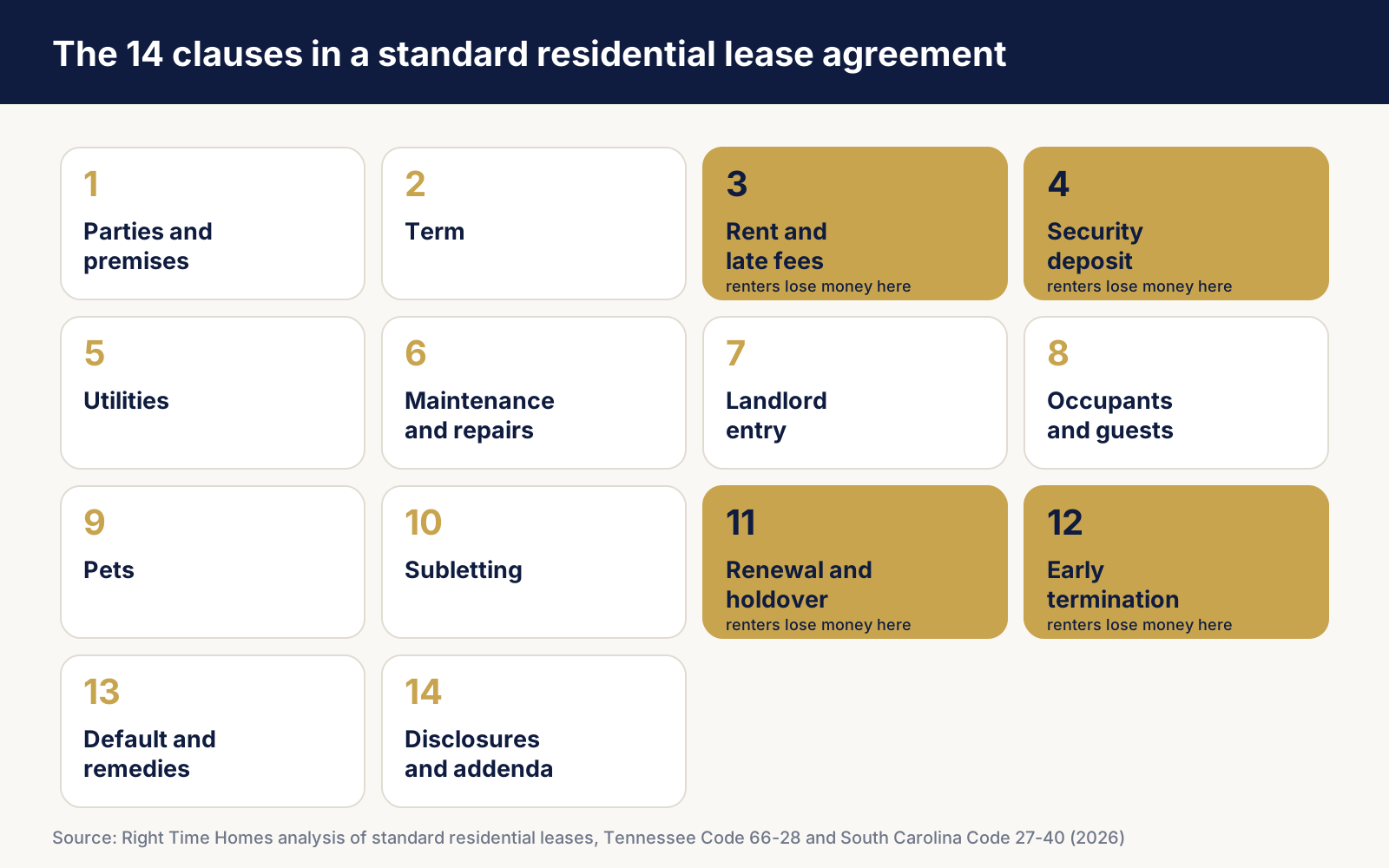
A standard residential lease agreement contains 14 core clauses: parties and premises, term, rent and late fees, security deposit, utilities, maintenance and repairs, landlord entry, occupants and guests, pets, subletting and assignment, renewal and holdover, early termination, default and remedies, and required disclosures. The clauses below are listed in the order they usually appear, with the detail that matters in each one.
1. Parties and premises
Names every adult who will live in the home and identifies the property by full address and unit. Every adult named is jointly and severally liable, which means each person is responsible for the entire rent, not just their share. If your roommate stops paying, the landlord can collect the full amount from you.
2. Term
The start date, the end date, and what happens after the end date. Look for the words "automatically renews" or "converts to month-to-month." Some leases renew for another full year unless you give notice 60 days before the end, which catches renters who assume the lease simply expires.
3. Rent, due date, and late fees
States the monthly rent, the day it is due, acceptable payment methods, and the late fee. Tennessee caps late fees at 10 percent of the past-due amount and requires a five-day grace period before any fee applies (Tenn. Code 66-28-201). South Carolina sets no statutory cap, so the fee is whatever the lease says. Check whether the fee is flat or daily; a daily fee of $25 becomes $750 in a month.
4. Security deposit
The amount, where it is held, what it can be used for, and how it is returned. This clause is covered in full in its own section below, because it is the one most often disputed.
5. Utilities
Lists which utilities the landlord pays and which you pay: electricity, gas, water, sewer, trash, internet, and lawn care. In new-construction single-family and townhome rentals the tenant usually pays electricity, gas, and internet while water, sewer, and trash vary by community. A lease that says "tenant pays all utilities" on a 2,500-square-foot home can add $250 to $400 a month, so ask for the previous year's averages before you sign.
6. Maintenance and repairs
Divides responsibility. The landlord must keep the home habitable: working plumbing, heat, electricity, locks, and structure. The tenant typically handles light bulbs, smoke-detector batteries, drain clogs caused by misuse, and lawn upkeep if the lease assigns it. Note the repair-request process (portal, email, or phone) and the response window. Tennessee and South Carolina both require landlords to make essential repairs within a reasonable time after written notice; South Carolina specifies 14 days for non-emergency issues.
7. Landlord entry
Sets when the landlord may enter. South Carolina requires at least 24 hours of notice except in emergencies (S.C. Code 27-40-530). Tennessee has no statutory notice period for routine entry but requires 24 hours of notice for showings in the final 30 days of the lease if the lease includes that right (Tenn. Code 66-28-403). A well-written lease will commit to 24 or 48 hours regardless.
8. Occupants and guests
Limits who may live in the home and how long a guest may stay, commonly 7 to 14 consecutive days. A partner who moves in without being added to the lease is a violation that can trigger a notice to cure or vacate.
9. Pets
Whether pets are allowed, which types and sizes, the pet deposit or pet fee (refundable versus non-refundable), and any monthly pet rent, typically $25 to $50 per pet. Service animals and emotional support animals are handled under federal fair housing rules and cannot be charged pet fees.
10. Subletting and assignment
Almost every lease prohibits subletting without written consent. This matters if you expect a job transfer, because the alternative to subletting is paying the early termination fee.
11. Renewal and holdover
Explains the renewal offer timeline and the holdover rent if you stay past the end date without renewing. Holdover rent is often 125 to 150 percent of the normal rent, and in Tennessee a willful holdover exposes the tenant to actual damages plus attorney's fees (Tenn. Code 66-28-512).
12. Early termination
The clause that decides what breaking the lease costs. It will specify a flat fee (commonly one to two months of rent), a notice period (commonly 30 to 60 days), and whether you remain liable for rent until the unit is re-rented. If the lease has no early termination clause, you are liable for rent through the end of the term, subject to the landlord's duty to try to re-rent.
13. Default and remedies
What counts as a breach and what happens next. In Tennessee a nonpayment notice gives 14 days to pay and 30 days to vacate; a non-monetary violation gets 30 days. South Carolina gives 14 days to cure a violation and, for nonpayment, allows eviction proceedings after five days late if the lease contains the required warning language.
14. Disclosures and addenda
Federal law requires a lead-paint disclosure for homes built before 1978 (irrelevant for new construction). Addenda cover HOA rules, smart-home devices, mold, bed bugs, and community-specific policies. Addenda are part of the lease and are enforceable, so read them.
What should you check before signing a lease agreement?
Before signing, confirm ten things: the exact rent and every recurring fee, the lease end date and renewal mechanism, the early termination fee, the security deposit amount and return process, who pays which utilities, the pet policy and costs, the guest limit, the landlord's entry notice, the repair process and response time, and that every verbal promise is written into the lease. If any of these is missing, ask for it in writing before you sign.
- Total monthly cost, not just rent. Add pet rent, parking, trash valet, smart-home fees, and any "amenity" or "administrative" fee. Ask for the all-in number.
- Move-in costs. First month, security deposit, pet deposit, application fee, and any administrative fee. On a $2,095 townhome that is often $4,500 to $5,000 up front.
- The end date and what happens next. Auto-renewal, conversion to month-to-month, or expiry.
- Notice required to leave at the end. Commonly 30 or 60 days before the end date. Miss it and you may owe another month or trigger a renewal.
- Early termination terms. Fee, notice period, and whether rent liability continues.
- Deposit handling. Where it is held, deductions allowed, and the timeline for return (see below).
- Repair commitments. How to submit requests and the promised response time for emergencies and routine items.
- Entry notice. Written commitment to 24 hours or more.
- Verbal promises. "We'll replace the carpet before move-in" means nothing unless it is in the lease or a signed addendum.
- A move-in inspection form. Both Tennessee and South Carolina rely on a written condition checklist to settle deposit disputes. Photograph every room, every wall, every appliance on day one and attach the photos to the form.
How does a security deposit work in a lease agreement?
A security deposit is money the landlord holds during the lease to cover unpaid rent or damage beyond normal wear and tear. It is usually equal to one month of rent. In South Carolina the landlord must return it, with an itemized list of any deductions, within 30 days after the lease ends. In Tennessee the landlord must keep it in a dedicated account, provide a written list of damages, and allow you to inspect the home when you move out; a landlord who neither uses a proper account nor provides the damage list cannot keep any of it.
| Security deposit rule | Tennessee (Tenn. Code 66-28-301) | South Carolina (S.C. Code 27-40-410) |
|---|---|---|
| Maximum amount | No statutory limit | No statutory limit |
| Where it must be held | Separate account at a regulated bank; tenant told the location | Returned per statute; some leases specify an escrow account |
| Move-out inspection | Tenant may request one within 5 days of giving notice; held on move-out day or within 4 days after | Not required by statute, but strongly advised |
| Itemized deductions | Required in writing; a landlord with no damage list and no proper account forfeits the deposit | Required in writing with the refund |
| Return deadline | Refund notice sent to last known address; tenant has 60 days to respond or the landlord may keep it | 30 days after termination of the lease |
| Penalty for bad-faith withholding | Forfeiture of the deposit if there was no proper account and no damage list | Up to 3 times the amount wrongfully withheld |
| Normal wear and tear | Cannot be deducted | Cannot be deducted |
The practical lesson is the same in both states: give your forwarding address in writing, request the move-out inspection in writing, and keep your move-in photos. Most deposit disputes are won or lost on whether the tenant can prove the condition at move-in.
How much does it cost to break a lease?
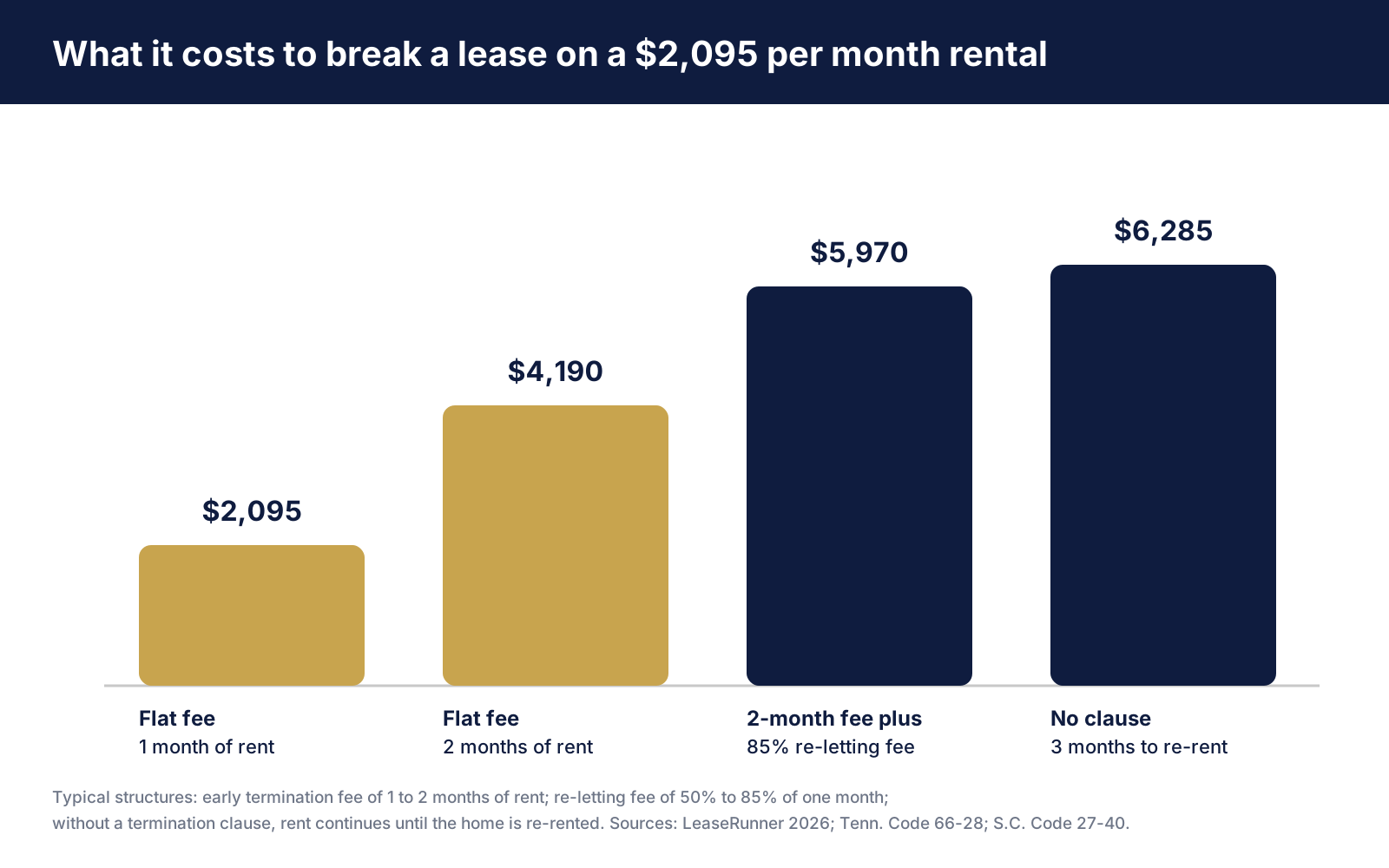
Breaking a lease usually costs one to three months of rent, and often two to four months all-in when the lease has no early-termination clause. The most common structure is a flat early termination fee of one or two months of rent plus 30 to 60 days of notice. Leases without a termination clause can be more expensive, because you remain liable for rent until the landlord re-rents the home, plus re-letting costs of 50 to 85 percent of one month of rent. On a $2,095 townhome, expect $2,095 to $4,190 under a termination clause and potentially more without one.
| Cost component | Typical range | On a $2,095 per month home |
|---|---|---|
| Early termination fee | 1 to 2 months of rent (up to 3 in some leases) | $2,095 to $4,190 |
| Re-letting or marketing fee | 50% to 85% of one month of rent | $1,050 to $1,780 |
| Rent until re-rented (no termination clause) | 1 to 4 months in a normal market | $2,095 to $8,380 |
| Repayment of concessions | Any free rent or move-in credit received | $0 to $2,095 |
| Security deposit | Often applied to the balance owed | Credit of about $2,095 |
Two factors change these numbers. The first is the market: in a strong rental market like Knoxville, where new-construction communities lease quickly, the "rent until re-rented" window is short, often a few weeks. The second is the landlord: professionally managed communities almost always use a defined termination fee, because it is simpler for both sides, while private landlords are more likely to pursue the full remaining balance.
How do you break a lease legally?
To break a lease legally, first read the early termination clause and follow it exactly: give written notice for the required period, pay the stated fee, and leave the home clean. If the lease has no clause, negotiate a buyout in writing, or propose a qualified replacement tenant so the landlord's loss is zero. Federal and state law also let you leave without penalty in specific situations, including active military orders, an uninhabitable home, and, in many states, documented domestic violence.
- Read the clause and calendar the notice date. If the lease says 60 days of notice, your fee is often waived or reduced only if the notice is on time.
- Give notice in writing. Email plus a dated letter. Keep proof of delivery.
- Offer a replacement tenant. Landlords in both Tennessee and South Carolina have a duty to mitigate damages, which means they must make reasonable efforts to re-rent. Bringing them a qualified applicant shortens your liability.
- Negotiate the buyout. Many landlords will accept one month of rent plus forfeiture of the deposit in exchange for a clean, documented hand-off.
- Document the condition. Same photo walkthrough you did at move-in.
- Get the settlement in writing. A short signed agreement stating that the lease is terminated on a date and that no further amounts are owed.
Legal exceptions that allow termination without penalty:
- Active-duty military orders. The Servicemembers Civil Relief Act lets you end a lease with 30 days of written notice after receiving deployment or permanent change of station orders of 90 days or more.
- Uninhabitable conditions. No heat, no running water, unresolved sewage or electrical hazards, or a serious pest infestation that the landlord fails to fix after written notice can amount to constructive eviction.
- Repeated illegal entry or harassment. A landlord who enters without notice in violation of the lease or state law gives the tenant grounds to terminate.
- Domestic violence. Many states, including Tennessee under certain conditions, allow victims with a protective order to terminate early. Check the current statute or a local legal aid office.
What happens when a lease agreement ends?
When a lease ends, one of three things happens, and the lease decides which: it renews for a new fixed term, it converts to a month-to-month rental agreement at the same or a higher rent, or it expires and you must move out on the end date. Landlords usually send a renewal offer 60 to 90 days before the end date. In both Tennessee and South Carolina, ending a month-to-month tenancy requires 30 days of written notice from either side.
Three traps to avoid at renewal. First, ignoring the renewal offer does not keep your current rent; most leases convert to month-to-month at a higher rate. Second, staying past the end date without any agreement makes you a holdover tenant, which in Tennessee can mean liability for the landlord's actual damages and attorney's fees. Third, giving notice late by even a few days can cost a full extra month. Put the notice deadline in your calendar the day you sign.
If you plan to renew, ask for the renewal terms in writing at least 60 days out and negotiate. Renters with on-time payment history have real leverage, because turning over a home costs the landlord cleaning, repairs, marketing, and vacancy. A request for a smaller increase or a 15-month term at the current rent is often accepted.
Tennessee vs South Carolina lease rules at a glance
Tennessee and South Carolina share the same basic framework: 30 days of notice for month-to-month tenancies, a landlord duty to mitigate after a tenant leaves early, and a ban on deducting normal wear and tear from deposits. They differ on late fees, entry notice, and deposit return timing, as the table shows.
| Rule | Tennessee (Knoxville, Oak Ridge, Maryville) | South Carolina (Rock Hill, Fort Mill) |
|---|---|---|
| Governing law | Uniform Residential Landlord and Tenant Act, Tenn. Code 66-28 (counties over 75,000 residents) | Residential Landlord and Tenant Act, S.C. Code 27-40 |
| Late fee | Max 10% of past-due rent; 5-day grace period required | No statutory cap or grace period |
| Entry notice | No statutory period for routine entry; 24 hours for showings in last 30 days if in lease | 24 hours, except emergencies |
| Month-to-month notice | 30 days (week-to-week: 10 days) | 30 days |
| Nonpayment notice | 14 days to pay, 30 days to vacate | 5 days late, if lease contains required notice language |
| Lease violation notice | 30 days | 14 days to cure |
| Deposit return | Itemized list required; dedicated bank account; move-out inspection on request | 30 days after termination, itemized |
| Penalty for wrongful deposit withholding | Landlord forfeits the deposit if there was no proper account and no damage list | Up to 3 times the amount withheld |
One Tennessee caveat on geography: Lenoir City sits in Loudon County, which has fewer than 75,000 residents, so URLTA does not apply there. A lease in Lenoir City is governed by its own written terms and general Tennessee contract law rather than the statutory protections in the table above.
Statutes change. The figures above reflect the Tennessee and South Carolina codes as published in 2026; confirm current text at the state legislature sites linked in the sources before relying on them in a dispute.
How do new-construction rental communities handle lease agreements differently?
Professionally managed new-construction communities generally use a standardized lease with a defined early termination fee, a written entry-notice commitment, an online portal for rent and repair requests, and a documented move-in inspection with photos. That removes most of the ambiguity that causes disputes with private landlords. The trade-off is less room to negotiate individual clauses, because the same lease is used across every home in the community.
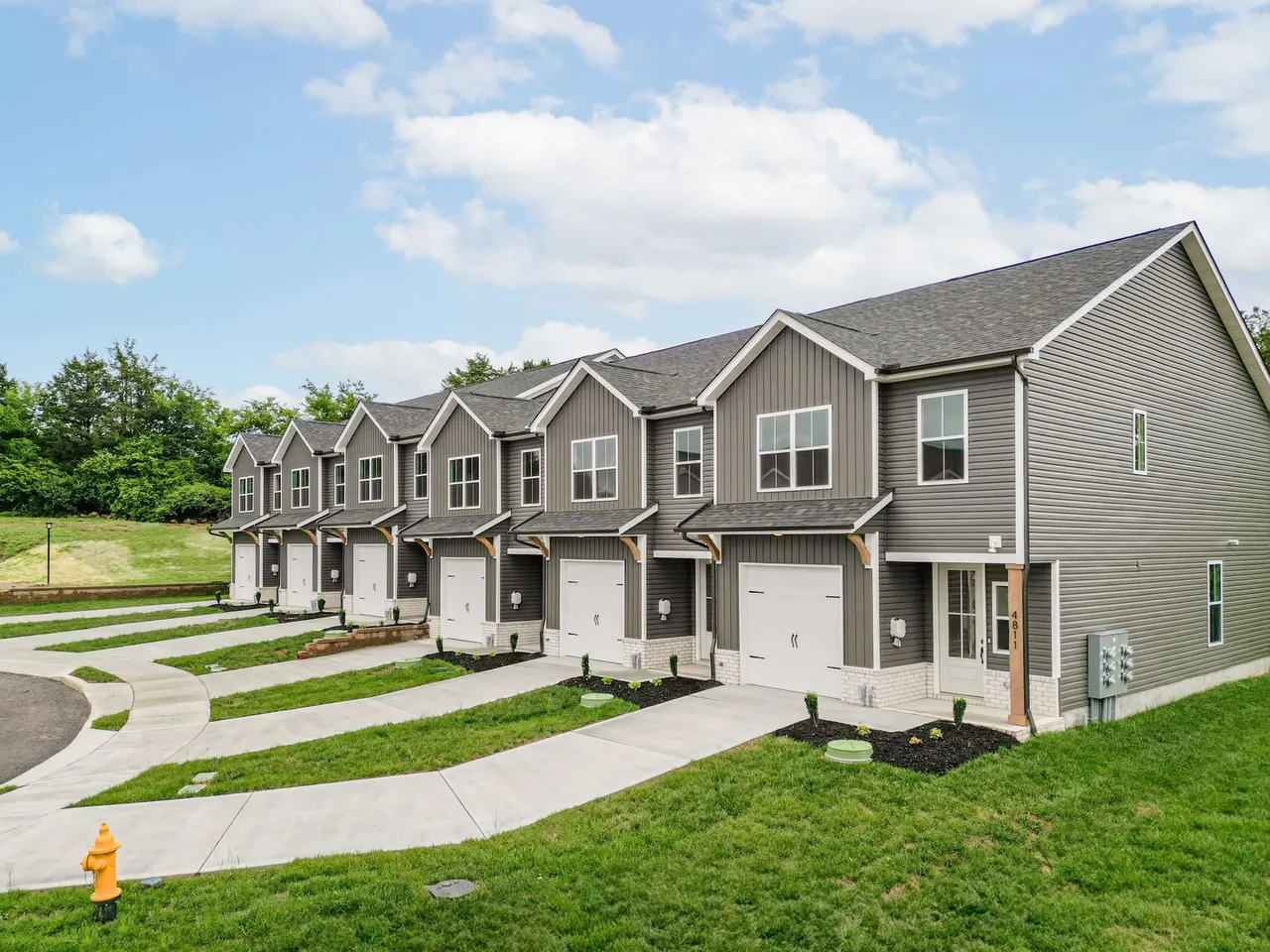
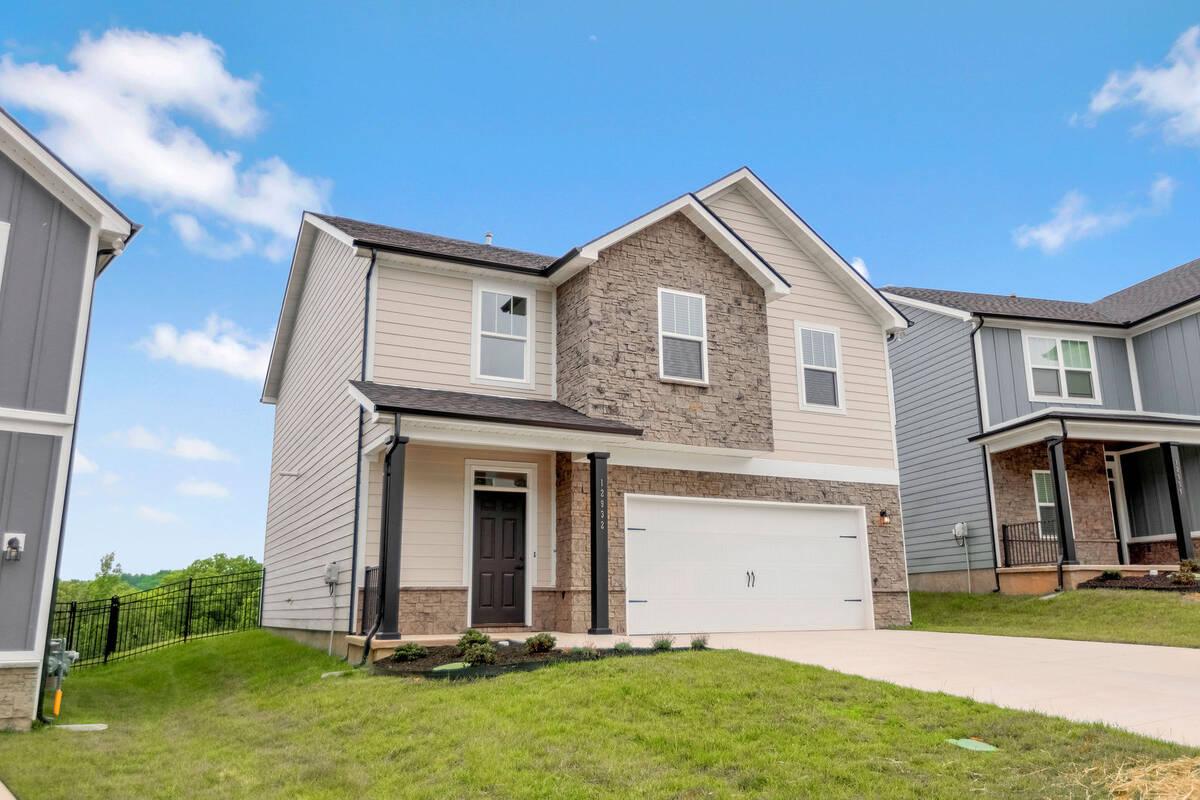
At Right Time Homes, every home is brand new, which simplifies several clauses in practice. There is no lead-paint disclosure because nothing was built before 1978. Maintenance requests are handled by the builder's own team rather than a third-party contractor. And because every home in a community started in identical condition, the move-in and move-out inspections are measured against a known baseline rather than someone's memory of how the carpet looked.
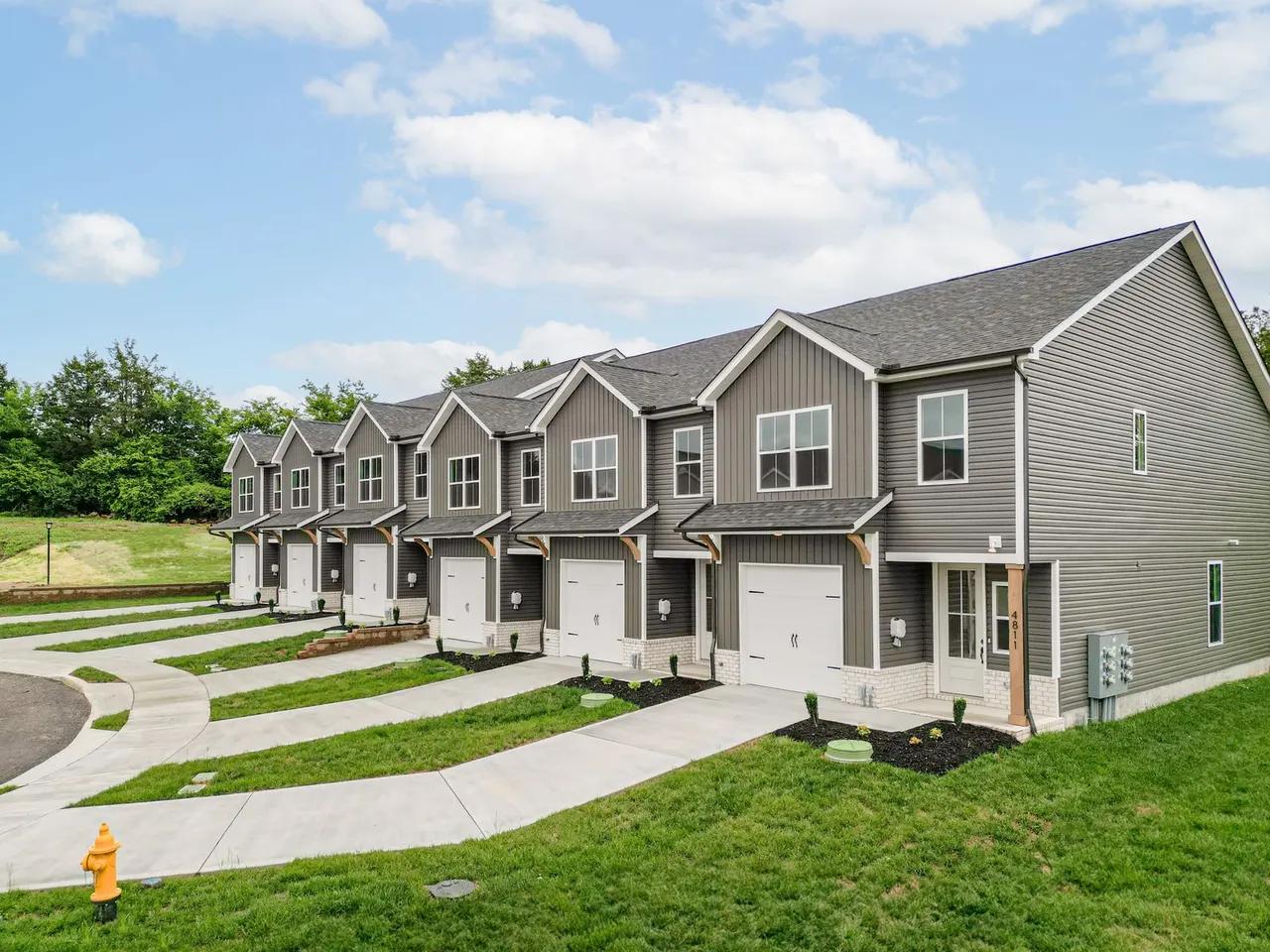
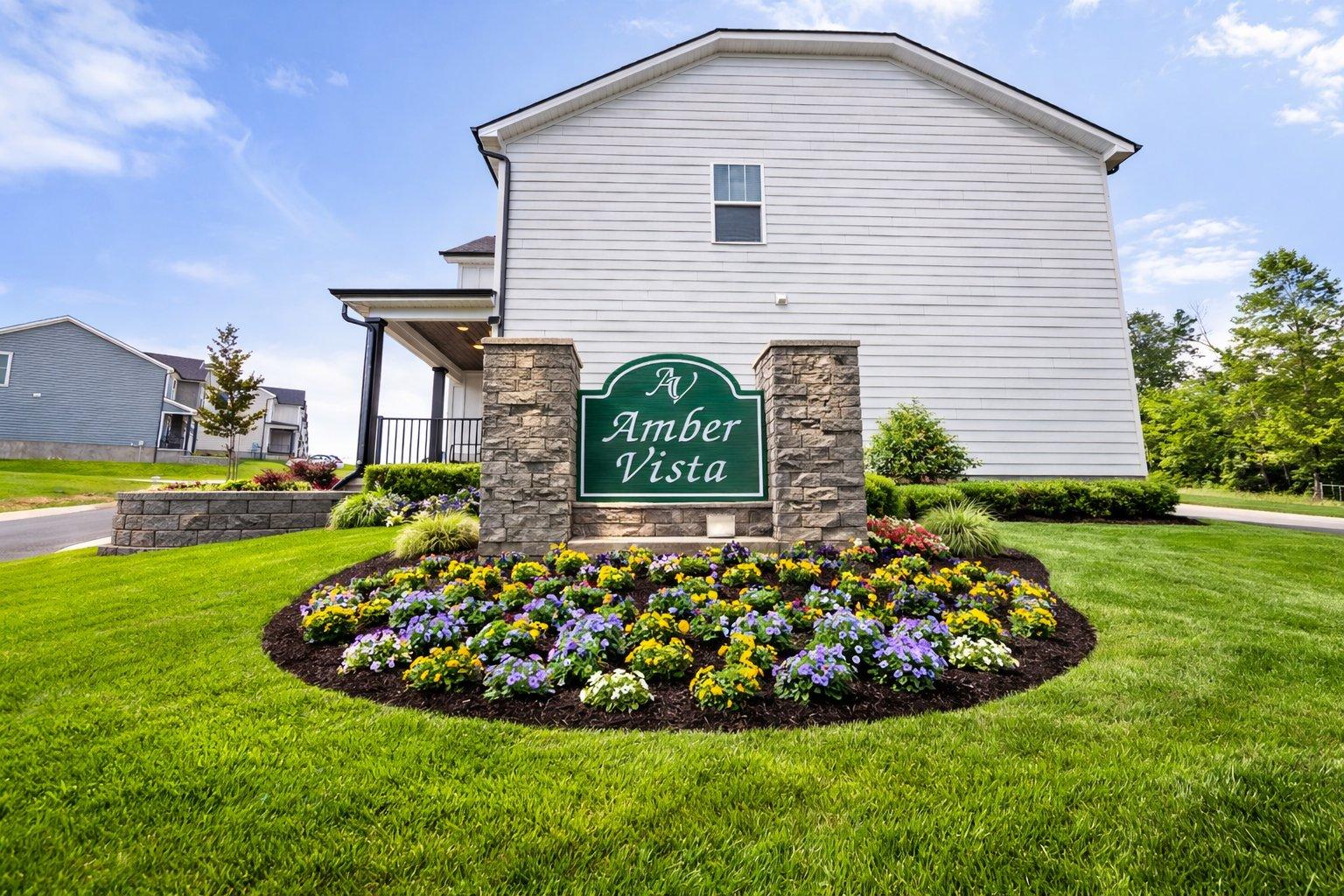
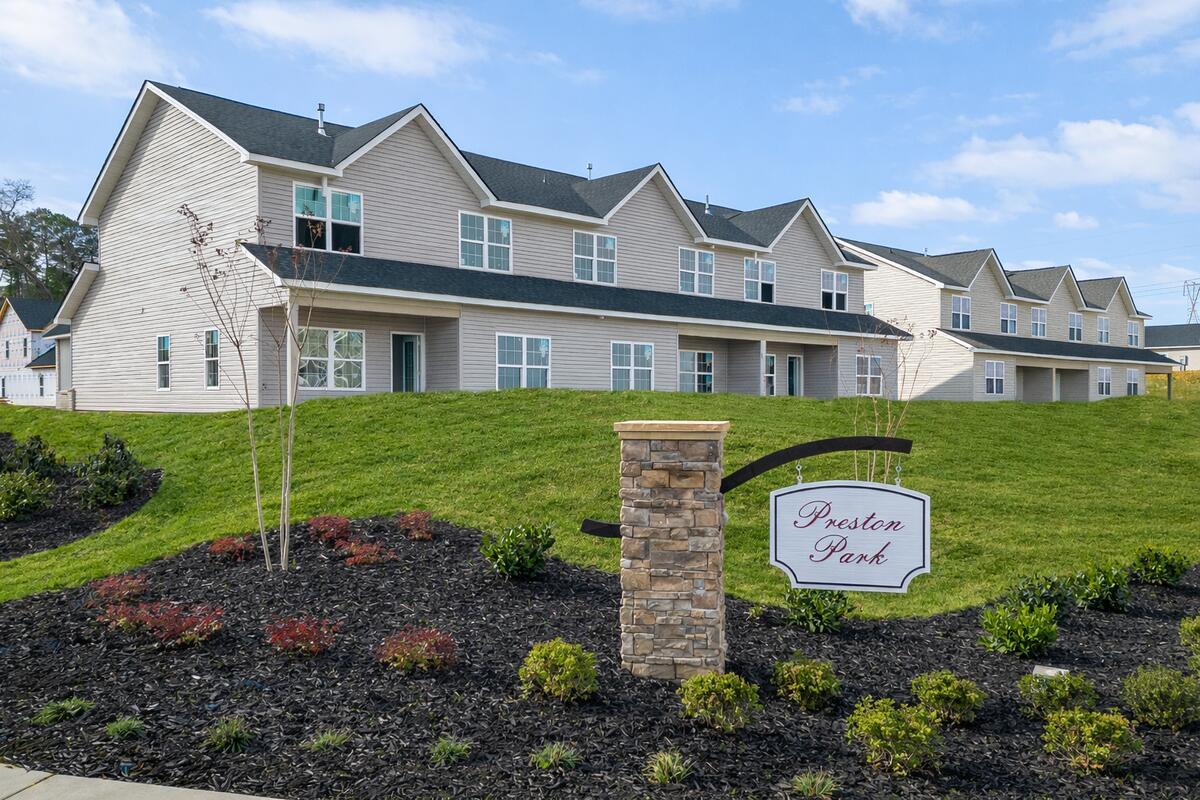
If you are comparing leases in East Tennessee, the five Greater Knoxville communities are Snowmass in Halls (townhomes from $2,095), Poplar Creek (townhomes from $2,545), Mockingbird Meadows (single-family from $2,650), Amber Vista in Hardin Valley (single-family from $2,695), and Preston Park (townhomes from $2,800). In the Charlotte metro, Allston in Rock Hill leases from $2,300. Each listing page shows the current lease terms, deposit, and pet policy, and you can request the full lease document before you apply.
For the broader decision of whether to sign a lease at all this year, read our guide to renting vs buying in Knoxville in 2026, and for what to inspect before you sign on a brand-new home, see what to know before renting a new-construction home in Knoxville.
If a lease you are offered comes with a path to ownership, read our guide to rent to own homes first: it explains lease-option vs lease-purchase, what the option fee costs, and what you lose if you do not buy.
Frequently Asked Questions
Can a landlord raise rent during a lease?
No. During a fixed-term lease the rent cannot change unless the lease contains a specific escalation clause that both parties signed. Rent can be raised at renewal or, on a month-to-month agreement, with 30 days of written notice in Tennessee and South Carolina.
How much does it cost to break a lease?
Usually one to three months of rent. Most leases charge a flat early termination fee of one or two months plus 30 to 60 days of notice. Without a termination clause, you remain responsible for rent until the home is re-rented, plus re-letting costs of 50 to 85 percent of one month of rent.
Can you get out of a lease early without paying?
Yes, in limited situations: active-duty military orders under the Servicemembers Civil Relief Act, an uninhabitable home the landlord refuses to fix, repeated illegal entry, or, in many states, documented domestic violence. Otherwise, the cheapest exit is usually to find a qualified replacement tenant and negotiate a written buyout.
How long does a landlord have to return a security deposit?
In South Carolina, 30 days after the lease ends, with an itemized statement of any deductions. In Tennessee, the landlord must provide a written list of damages and notify you of any refund at your last known address; you then have 60 days to respond. Always provide a forwarding address in writing.
What is normal wear and tear on a rental?
Normal wear and tear is the gradual deterioration from ordinary use: minor scuffs on walls, small nail holes, lightly worn carpet in traffic areas, faded paint. It cannot be deducted from your deposit in Tennessee or South Carolina. Damage, such as large holes, broken fixtures, pet stains, or unapproved paint colors, can be deducted.
Do I have to give notice if my lease is ending?
Usually yes. Most leases require 30 to 60 days of written notice before the end date even if you are leaving on time; otherwise the lease may auto-renew or convert to month-to-month. Check the renewal clause and put the deadline in your calendar when you sign.
Is a lease agreement legally binding if it is not notarized?
Yes. A residential lease is binding once both parties sign it. Notarization is not required in Tennessee or South Carolina. Electronic signatures through a portal or e-sign service are equally valid.
Sources
- Tennessee Code Annotated, Title 66, Chapter 28 (Uniform Residential Landlord and Tenant Act), sections 66-28-201, 66-28-301, 66-28-403, 66-28-505, 66-28-507, and 66-28-512. Justia, Tennessee Code.
- South Carolina Code of Laws, Title 27, Chapter 40 (Residential Landlord and Tenant Act), sections 27-40-410, 27-40-530, 27-40-710, and 27-40-770. South Carolina Legislature.
- Servicemembers Civil Relief Act, 50 U.S.C. 3955 (lease termination). Cornell Legal Information Institute.
- Cost-to-break ranges reflect the itemized breakdown in this guide (early-termination fee, re-letting fee, and rent owed until the home is re-rented), consistent with Zillow, "How Much Does It Cost to Break a Lease?" zillow.com.
- Right Time Homes community listings, starting rents as of October 2026.
Last updated: October 15, 2026
Andrew Garza
Real Estate Development Editor
Andrew Garza writes about rental market trends, new-construction homes, and the rent-versus-buy decision for Right Time Homes across Tennessee, North and South Carolina.