
- What does rent to own mean, and how does rent to own work?
- Lease-option vs lease-purchase: what is the difference?
- How much does rent to own cost?
- What does rent to own cost in Knoxville and Rock Hill? Two worked examples
- Rent to own vs renting vs buying with a mortgage in 2026: which is cheaper?
- What are the pros and cons of rent to own homes?
- What do Tennessee and South Carolina laws say about rent to own?
- How do you avoid rent to own scams and bad contracts?
- Where do you find rent to own homes near me, and which rent to own programs are legitimate?
- Is a new construction rental a better bridge to buying than rent to own?
- Frequently Asked Questions
- Sources
In brief: Rent to own is a one to three year lease combined with an option to buy the home at a price fixed up front. You pay a nonrefundable option fee, typically 1 to 5 percent of the price, plus above-market rent with part credited toward the purchase. On a $365,771 Knoxville home that can put $29,297 at risk. Neither state has a rent to own statute; the lease falls under Tenn. Code 66-28 or S.C. Code 27-40.
Rent to own sounds like the best of both worlds: you move into a house today, pay rent, and a slice of every check quietly builds toward buying the place. In a year when the 30-year mortgage rate has climbed back to 7.28 percent and first-time buyers make up only 21 percent of purchases, that pitch lands. But a rent to own home is really two contracts stapled together, a lease and a purchase option, and the fine print decides whether it is a bridge to ownership or an expensive detour. This guide answers "what is rent to own" in full: how it works, what it costs with real Knoxville and Rock Hill numbers, how it compares to renting and buying in 2026, and what Tennessee and South Carolina law actually protect.
What does rent to own mean, and how does rent to own work?
Rent to own means you lease a home for one to three years with a contractual right, sometimes an obligation, to buy it at a fixed price. You pay a nonrefundable option fee at signing, typically 1 to 5 percent of the price, plus above-market rent with part of each payment credited toward buying the rent to own house.
The mechanics follow a predictable sequence. First, you and the owner agree on a purchase price, either locked at signing or set by appraisal at the end of the term. Second, you pay the option fee, which Bankrate reports typically runs 1 to 5 percent of the purchase price and Experian puts at 2 to 7 percent of the home's value. Third, you sign a lease that is usually longer than a standard 12-month rental; Experian notes rent to own periods "can be around three years." Fourth, you pay rent each month, and the contract specifies what share, if any, is set aside as a rent credit. Fifth, before the option window closes, you apply for a mortgage like any other buyer, and the option fee plus accumulated credits are applied to your down payment or price. If you cannot close, what happens next depends entirely on which of the two contract types you signed.
That last point is the hinge of the whole arrangement. The lease half of a rent to own deal is governed by ordinary landlord and tenant law. The option half is a real estate contract. Renters who treat it like a normal lease with a bonus feature tend to be surprised by the money at stake, so the rest of this guide walks through the contract types, the costs, and the state rules in order.
Lease-option vs lease-purchase: what is the difference?
A lease-option gives you the right, but not the obligation, to buy the home when the lease ends; walk away and you lose the option fee and credits but owe nothing else. A lease-purchase legally obligates both sides to complete the sale, so failing to qualify for a mortgage can mean forfeited credits plus a breach of contract claim.
Bankrate describes the lease-option plainly: "A lease option gives you the option to buy the home at a specific point in the future." The lease-purchase is the stricter cousin. In Bankrate's words, under a lease-purchase "you are contractually obligated to buy the home at the end of the lease." Experian draws the same line, noting that under a lease purchase "both buyer and seller are legally obligated to complete the sale." For a renter whose whole reason for choosing rent to own is uncertainty about qualifying for a loan, that distinction is the single most important sentence in the contract.
| Feature | Lease-option | Lease-purchase | Standard 12-month lease |
|---|---|---|---|
| Must you buy at the end? | No, it is your choice | Yes, both parties are bound | No purchase right at all |
| Upfront money beyond deposit | Option fee, typically 1 to 5 percent of price | Option fee or earnest money, often similar | Security deposit only |
| Monthly rent | Usually above market, with a credit set aside | Usually above market, with a credit set aside | Market rent |
| If you do not buy | Forfeit option fee and credits, no further liability | Forfeit credits and risk a breach of contract lawsuit | Move out at lease end, deposit returned less damage |
| Who handles repairs | Often the tenant, per contract | Often the tenant, per contract | Landlord, under TN and SC landlord tenant law |
| Purchase price | Fixed at signing or by future appraisal | Fixed at signing or by future appraisal | Not applicable |
| Best for | Renters who want a path to buy but need an exit | Renters already near mortgage approval | Renters who value flexibility and no upfront risk |
There is a third structure worth naming because it is sometimes marketed as rent to own: the installment land contract, also called a contract for deed. In that arrangement the buyer makes payments directly to the seller for years and only receives the deed at the end. It is not a lease at all, which means tenant protections do not apply, and both Tennessee and South Carolina treat it as a property transfer for disclosure purposes (more on that below).
How much does rent to own cost?
Rent to own costs three things a normal lease does not: a nonrefundable option fee of 1 to 7 percent of the home price, a monthly rent premium above market that funds your purchase credit, and often responsibility for maintenance, insurance, and property taxes during the lease. On a $350,000 home, the option fee alone runs $7,000 to $24,500.
The option fee is the headline number. Experian's example makes the range concrete: on a $350,000 home, a 2 to 7 percent option fee is $7,000 to $24,500, paid at signing and nonrefundable. Bankrate's worked example uses a $150,000 home with a 5 percent fee of $7,500. Both outlets stress that the fee is lost if you do not buy, which is the key difference between an option fee and a security deposit. A deposit is your money held in trust; an option fee is the seller's money the moment you sign.
The rent premium is quieter but adds up faster. Bankrate's example sets rent at $1,500 a month with 20 percent, or $300, going to escrow, which accumulates to $7,200 over a 24-month lease. Combined with the $7,500 option fee, that renter has $14,700 riding on closing the purchase. Experian does not give a percentage but confirms that rent to own payments "may be higher" than a comparable rental because the credit is built into the price. Neither source reports a standard premium, which is itself a warning: the credit percentage is whatever the contract says, and some contracts say zero.
Then come the carrying costs. Experian lists "maintenance, insurance, and property taxes may fall on you" among the cons. In a standard Tennessee or South Carolina lease, the landlord must keep the home fit and habitable; a rent to own contract can shift repair duties to the tenant on the theory that you are the future owner. If the HVAC fails in year two of a three-year lease-purchase, the contract decides who pays for it, not the landlord tenant statute. Finally, if you do buy, closing costs still apply. Experian puts those at 2 to 5 percent of the sale price, on top of everything already paid.
| Cost component | Typical range | Refundable? | Source |
|---|---|---|---|
| Option fee | 1 to 5 percent of price (Bankrate); 2 to 7 percent (Experian) | No | Bankrate, Experian |
| Rent credit / premium | Set by contract; Bankrate's example uses 20 percent of rent | No, unless you buy | Bankrate |
| Maintenance, insurance, taxes | Often shifted to tenant during the lease | No | Experian |
| Closing costs at purchase | 2 to 5 percent of sale price | No | Experian |
| Security deposit (if charged) | Varies; governed by state law | Yes, less lawful deductions | Tenn. Code 66-28-301; S.C. Code 27-40-410 |
What does rent to own cost in Knoxville and Rock Hill? Two worked examples
On a Knoxville home at Zillow's $365,771 typical value, a 3 percent option fee is $10,973, and a 20 percent credit on $2,545 base rent adds $509 a month, so a three-year lease-option puts $29,297 at risk if you never close. A Rock Hill example on a $323,823 home with a 5 percent fee risks $24,471 over two years.
These examples use Right Time Homes starting rents as the market baseline because they are real, current asking rents for new construction in both metros: Poplar Creek townhomes in Knoxville start at $2,545 a month and Allston townhomes in Rock Hill start at $2,300. The purchase prices come from Zillow's Home Value Index for each city: $365,771 for Knoxville and $323,823 for Rock Hill. The option fee and credit percentages sit inside the ranges Bankrate and Experian report.
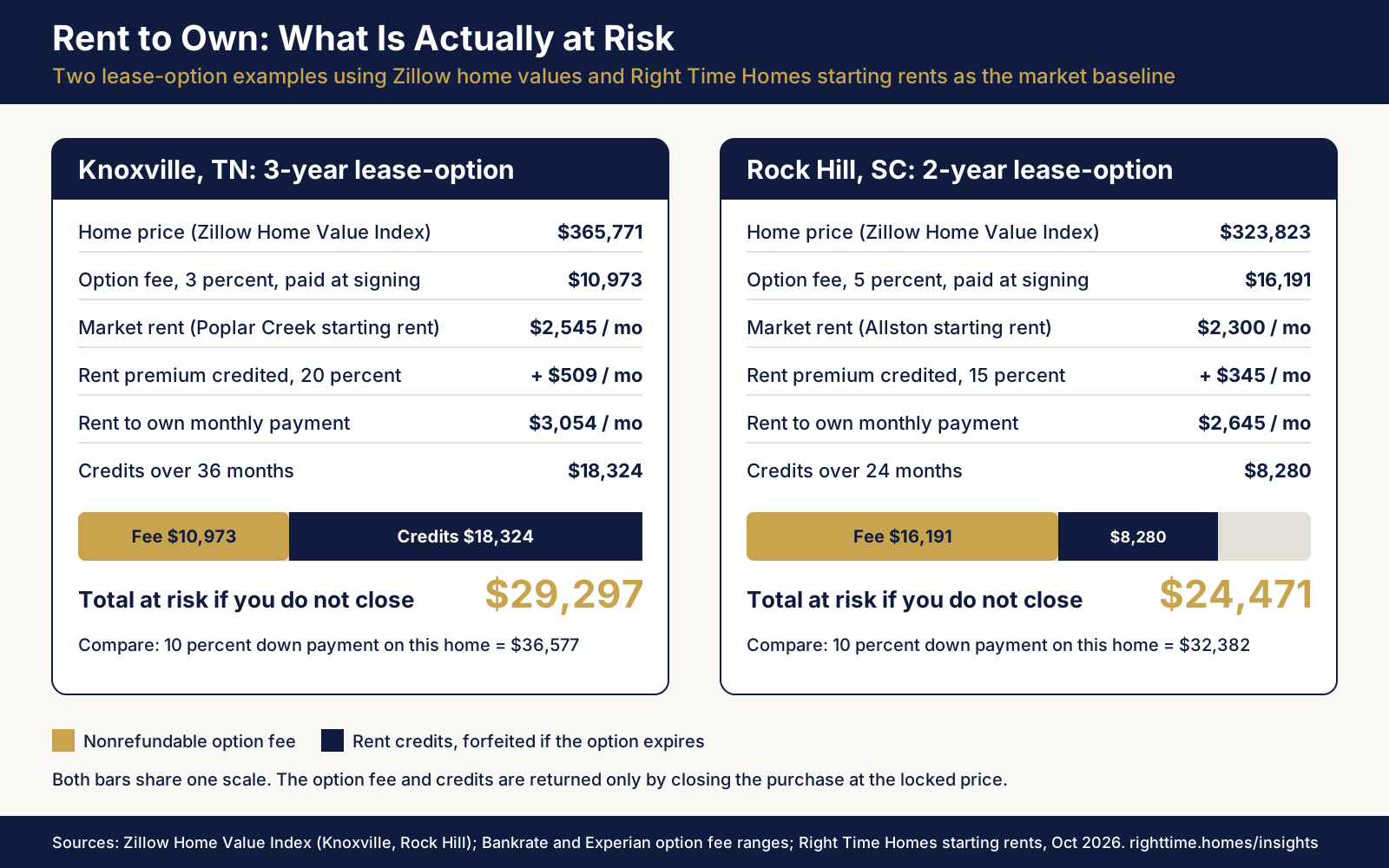
| Line item | Knoxville example (3-year lease-option) | Rock Hill example (2-year lease-option) |
|---|---|---|
| Home price (Zillow Home Value Index) | $365,771 | $323,823 |
| Option fee | 3 percent = $10,973 | 5 percent = $16,191 |
| Market rent baseline (RTH starting rent) | $2,545 (Poplar Creek) | $2,300 (Allston) |
| Rent premium credited to purchase | 20 percent = $509 a month | 15 percent = $345 a month |
| Rent to own monthly payment | $3,054 | $2,645 |
| Credits accumulated | $509 x 36 = $18,324 | $345 x 24 = $8,280 |
| Total applied to purchase if you buy | $29,297 | $24,471 |
| Total lost if you do not buy | $29,297 | $24,471 |
| Extra paid vs renting the same home at market rent | $29,297 over 36 months | $24,471 over 24 months |
Two things stand out. First, the "credit" is not free money; it is your own money paid above market rent and returned only if you close. The Knoxville renter pays $3,054 a month instead of $2,545, a $509 premium that is functionally a forced savings plan with a single permitted withdrawal. Second, the money at risk, $29,297 in Knoxville, is nearly the $36,577 a 10 percent down payment would require on the same home. A renter who could instead park $509 a month in a high-yield savings account for three years would end with the same $18,324 plus interest, keep the $10,973 option fee, and retain the freedom to buy any home on the market rather than one.
That does not make rent to own irrational. It makes it a tool for a specific person: someone who has identified a home they want, cannot qualify for a mortgage today, has a credible plan to qualify within the term, and is confident the home will not lose value. Experian notes that rent to own operators set lower bars than lenders; Divvy Homes required a minimum credit score of 550 and Dream America a minimum of 500, far below what most conventional mortgage lenders accept. For a renter at 540 with rising income, locking a price and a timeline can be worth the premium. For a renter at 700 who simply has not saved a down payment yet, it rarely is.
Rent to own vs renting vs buying with a mortgage in 2026: which is cheaper?
At the 7.28 percent 30-year rate Freddie Mac reported on October 1, 2026, a Knoxville buyer putting 10 percent down on a $365,771 home pays about $2,252 a month in principal and interest before taxes and insurance. Renting the same new construction home starts at $2,545 all-in, and a rent to own payment with a 20 percent credit runs $3,054.
The comparison depends on the rate environment, and 2026 has not been kind to buyers. Freddie Mac's Primary Mortgage Market Survey put the 30-year fixed at 7.28 percent for the week of October 1, 2026, up from 7.03 percent the prior week and 6.34 percent a year earlier; the 15-year fixed averaged 6.60 percent. That jump matters for rent to own in a specific way: a renter who locks a purchase price today is betting that rates will be low enough to qualify when the option matures. If rates rise further, the fixed price helps nothing because the mortgage payment, not the price, is what the lender underwrites.
The ownership backdrop explains why rent to own keeps resurfacing. The Census Bureau's Housing Vacancies and Homeownership report for the second quarter of 2026, released July 28, 2026, shows a national homeownership rate of 65.0 percent, a South region rate of 66.9 percent, and an under-35 homeownership rate of only 35.2 percent. The rental vacancy rate sat at 7.3 percent. On the buyer side, the National Association of Realtors' 2025 Profile of Home Buyers and Sellers (released November 4, 2025) found first-time buyers made up just 21 percent of purchases, the lowest share since tracking began in 1981, with a record-high median age of 40 and a median down payment of 10 percent (repeat buyers put down 23 percent). The gap between people who want to own and people who can qualify is exactly the gap rent to own companies sell into.
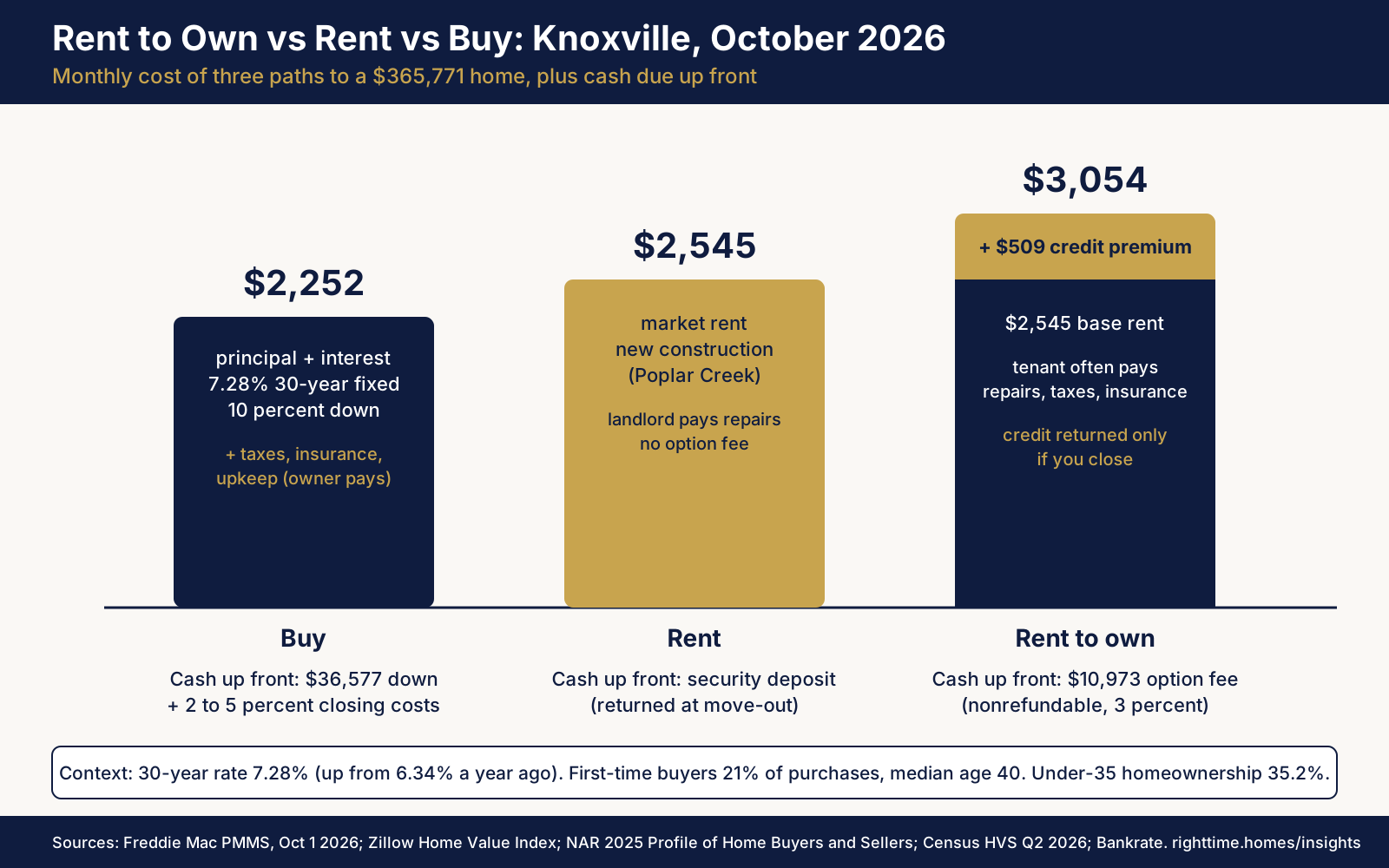
| Factor | Rent to own | Rent (new construction) | Buy with a mortgage |
|---|---|---|---|
| Monthly payment, Knoxville example | $3,054 (rent plus 20 percent credit) | $2,545 (Poplar Creek starting rent) | $2,252 principal and interest, plus taxes, insurance, and upkeep |
| Cash due up front | Option fee $10,973 (3 percent) | Security deposit, returned at move-out | Down payment $36,577 (10 percent) plus 2 to 5 percent closing costs |
| Credit score needed | As low as 500 to 550 at some operators | Varies by landlord screening | Lender standards, typically higher |
| Who pays repairs | Often the tenant, by contract | Landlord | Owner |
| Can you leave early? | Lease-option: yes, forfeit fee and credits. Lease-purchase: breach of contract | Yes, per lease termination clause | Sell or rent out the home |
| Price exposure | Locked price helps if values rise, hurts if they fall | None | Full owner exposure |
| Builds equity? | Only if you close | No | Yes, from month one |
Price direction is the hidden variable. Zillow's index shows Rock Hill values down 2.2 percent over the past year and Knoxville up 0.3 percent, which is close to flat. In a flat or softening market, a price locked at signing is as likely to be above market at closing as below it, and a lender's appraisal will not care what the contract says. If the appraisal comes in under the locked price, the renter must cover the gap in cash or walk away, forfeiting the credits.
What are the pros and cons of rent to own homes?
The pros of rent to own are a locked purchase price, time to repair credit or save, lower entry requirements than a mortgage, and no second move. The cons are above-market rent, a nonrefundable option fee, repair and tax costs shifted to you, and the risk of losing everything if financing falls through or the home loses value.
The case for rent to own is strongest when all four advantages apply at once. Experian lists them as building a down payment fund through part of your rent, gaining time to strengthen finances before a mortgage application, locking in a purchase price that can help if prices rise, and avoiding a move because you already live in the home. Bankrate adds that it keeps a specific home from being sold to someone else and lets you try out a neighborhood before committing. For a family with a child enrolled in a particular school zone and a credit score that needs 18 months of work, that bundle has real value.
The case against is mostly arithmetic. Rent is usually above market, as both Bankrate and Experian state. The option fee is due up front and nonrefundable. Experian's warning that "maintenance, insurance, and property taxes may fall on you" means the tenant can carry owner-sized costs without owner-sized rights. And the worst outcome compounds: Bankrate notes that without a mortgage approval "you lose the option fee and possibly the rent credit," and under a lease-purchase the seller can also sue. The home can lose value during the lease, which in 2026 is not hypothetical given Rock Hill's 2.2 percent decline.
The industry's own track record is a useful caution. Divvy Homes, the best-funded rent to own startup of the last decade, was valued at nearly $2 billion after a $200 million funding round in 2021 and owned roughly 7,000 homes worth about $1.7 billion that year. By January 2025 it was being sold to Maymont Homes, a Brookfield Properties subsidiary, in what Bisnow described as a fire sale with the price undisclosed. Tenants in a rent to own program inherit whatever the acquirer decides to do with their contracts, which is one more reason to insist that every promise be written into the recorded agreement rather than a company's marketing page.
What do Tennessee and South Carolina laws say about rent to own?
Neither state has a statute written specifically for residential rent to own, so the lease falls under each state's landlord tenant act and the option under contract law. Tennessee's disclosure law expressly covers a "lease with option to buy" (Tenn. Code 66-5-201); South Carolina's disclosure act treats a tenant in a real estate contract as a purchaser (S.C. Code 27-50-10).
Start with what does not apply. Both states have a Rental-Purchase Agreement Act, Tennessee's at Tenn. Code 47-18-601 and following, but those statutes govern rent to own furniture, appliances, and other personal property with initial terms of four months or less. They do not reach houses. A rent to own home agreement is instead a hybrid, and each half is judged by its own body of law.
The lease half in Tennessee is governed by the Uniform Residential Landlord and Tenant Act, Tenn. Code Title 66, Chapter 28, but only in counties with more than 75,000 residents by the 2010 census (Tenn. Code 66-28-102). Knox County qualifies, so a rent to own tenant in Knoxville gets the Act's protections: late fees capped at 10 percent of past-due rent with a five-day grace period (Tenn. Code 66-28-201(d)), and a security deposit that must be held in a dedicated account with a written damage listing, or the landlord forfeits the right to keep any of it (Tenn. Code 66-28-301). Loudon County, home to Lenoir City, falls below the population threshold, so there a rent to own lease is governed by the contract itself and common law. That is an argument for reading every clause twice.
The lease half in South Carolina is governed statewide by the Residential Landlord and Tenant Act, S.C. Code Title 27, Chapter 40. The landlord must give at least 24 hours of notice before entering except in an emergency (S.C. Code 27-40-530), and must return the security deposit with an itemized written notice within 30 days of the tenancy ending; a landlord who wrongfully withholds it owes three times the amount plus attorney's fees (S.C. Code 27-40-410). Note that these deposit rules protect the deposit, not the option fee. No statute in either state requires an option fee to be held in trust or returned.
The option half triggers purchase-side disclosure duties. Tennessee's Residential Property Disclosure Act states that it "applies only with respect to transfers by sale, exchange, installment land sales contract or lease with option to buy" of one-to-four unit residential property (Tenn. Code 66-5-201), so a Tennessee rent to own seller owes you the same written condition disclosure a conventional seller would, unless an exemption in Tenn. Code 66-5-209 applies, such as a first sale of a new home with a builder warranty or a property the owner has not lived in for three years. South Carolina's Residential Property Condition Disclosure Act requires the owner to "furnish to a purchaser a written disclosure statement" (S.C. Code 27-50-40), and its definitions include a "tenant in a real estate contract" within the meaning of purchaser (S.C. Code 27-50-10). Exemptions in S.C. Code 27-50-30 include the first sale of a never-inhabited dwelling and transfers where both parties agree in writing to skip the statement, so watch for that waiver in the paperwork.
| Rule | Tennessee | South Carolina |
|---|---|---|
| Statute governing the lease portion | Tenn. Code Title 66, Chapter 28 (counties over 75,000 only, per 66-28-102) | S.C. Code Title 27, Chapter 40 (statewide) |
| Applies in RTH markets? | Yes in Knox County (Knoxville); no in Loudon County (Lenoir City) | Yes in York County (Rock Hill) |
| Late fee cap | 10 percent of past-due rent, 5-day grace period (66-28-201(d)) | No statutory cap |
| Security deposit handling | Separate account, written damage listing, or landlord forfeits deductions (66-28-301) | Return with itemized notice within 30 days; 3x penalty for bad-faith withholding (27-40-410) |
| Option fee protection | None by statute; contract governs | None by statute; contract governs |
| Landlord entry notice | Not specified in the Act for routine entry | At least 24 hours (27-40-530) |
| Seller disclosure on rent to own | Required; Act expressly covers "lease with option to buy" (66-5-201) | Required; "purchaser" includes a tenant in a real estate contract (27-50-10, 27-50-40) |
| Disclosure exemptions to watch | New home first sale with builder warranty; owner absent 3+ years (66-5-209) | Never-inhabited new home; written waiver by both parties (27-50-30) |
| Rental-Purchase Agreement Act | Tenn. Code 47-18-601 et seq.; personal property only | Consumer rental-purchase statute; personal property only |
Federal law adds one more layer when the seller also finances the purchase. Under the Dodd-Frank Act, an individual, estate, or trust that finances no more than three properties in any 12-month period is excluded from mortgage loan originator rules only if the loan is fully amortizing with no balloon payment, carries a fixed rate or one that adjusts only after five or more years with reasonable caps, and the seller documents a good-faith determination that the buyer can repay. A seller who extends financing more than five times in a calendar year is treated as a creditor subject to the full ability-to-repay rules under TILA Section 129C. If a rent to own operator offers to "carry the note" at the end of your lease with a five-year balloon, that structure likely runs afoul of these rules, and you should ask who is licensed to originate the loan.
How do you avoid rent to own scams and bad contracts?
Verify the seller actually holds title, record the option with the county register of deeds, get the purchase price, credit percentage, and maintenance duties in writing, insist on a lease-option rather than a lease-purchase unless you are already mortgage-ready, and have a real estate attorney review the agreement before paying any option fee or listing fee.
The ownership check comes first because the most common rent to own fraud is a stranger collecting option fees on a house they do not own or that is already in foreclosure. Both Knox County and York County publish property records online; the name on the deed must match the name on your contract. Then confirm there is no mortgage default or tax lien, since either can wipe out your option when the lender forecloses.
Recording protects you against the next buyer. An unrecorded option is a private promise; a recorded memorandum of option gives constructive notice to anyone who later buys or lends against the property, so your right to purchase survives a sale. LegalClarity's South Carolina guide notes recording with the county Register of Deeds for exactly this reason, and the same logic applies at the Knox County Register of Deeds.
The contract review should produce clear answers to nine questions: What is the purchase price, and if it is set by future appraisal, who picks the appraiser? What percentage of rent is credited, and is it held in escrow or simply promised? How long is the option window, and what notice must you give to exercise it? Who pays for repairs, insurance, and property taxes during the lease? What happens to credits if you are late on rent even once (some contracts void that month's credit)? Is this a lease-option or a lease-purchase? Can the seller sell the home to someone else during the term? Does the lease comply with Tenn. Code 66-28 or S.C. Code 27-40? And does the seller owe you a property condition disclosure under Tenn. Code 66-5-201 or S.C. Code 27-50-40? If any answer is "trust me," that is the answer.
Where do you find rent to own homes near me, and which rent to own programs are legitimate?
Rent to own homes near you come from three sources: individual owners advertising a lease with option to buy, rent to own programs that buy a home you choose and lease it back, and listing sites that filter for rent to own or lease to own homes near me. Treat every listing as unverified until you have checked the deed.
The company route is the most structured. Experian describes two national rent to own programs by their entry requirements: Divvy Homes accepted applicants with a minimum credit score of 550, and Dream America accepts a minimum of 500, with both also weighing income, debt, and rental payment history. In each model the company purchases the home you pick, you lease it for about three years, and a portion of rent accrues toward a future down payment. Divvy's sale to Maymont Homes in January 2025 is the reminder that a program's terms can change hands mid-lease, so the recorded agreement, not the website, is what protects you.
The owner route is where "rent to own near me" searches most often lead, and where the scam risk concentrates. A private owner in Knox County or York County offering a rent to own house is operating under the same landlord tenant and disclosure statutes described above, but nobody is checking their paperwork for you. Pull the deed from the county register of deeds, confirm there is no default on the mortgage, and insist the option be recorded. If the owner resists recording, that is your answer.
One honest note: Right Time Homes does not offer rent to own programs. Our communities are new construction leased at market rent on standard terms, which is why the next section compares that path directly against rent to own for a renter whose real goal is to buy within a few years.
Is a new construction rental a better bridge to buying than rent to own?
For most renters who are 12 to 36 months away from mortgage readiness, renting a new construction home at market rent and saving the difference beats rent to own: you keep the option fee, keep the premium, keep your flexibility, and still get the stability of a long lease in a neighborhood you can test before you buy there.
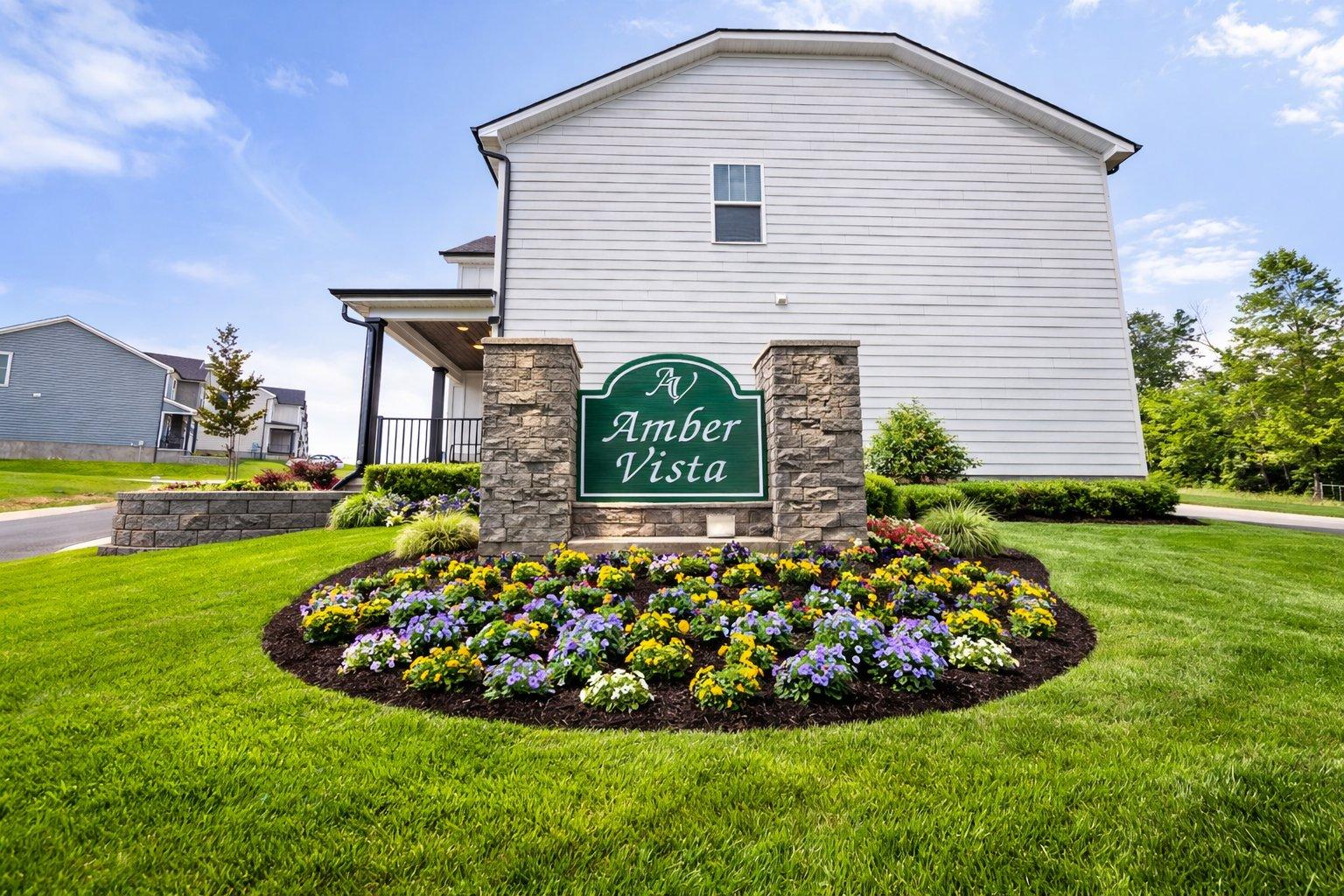
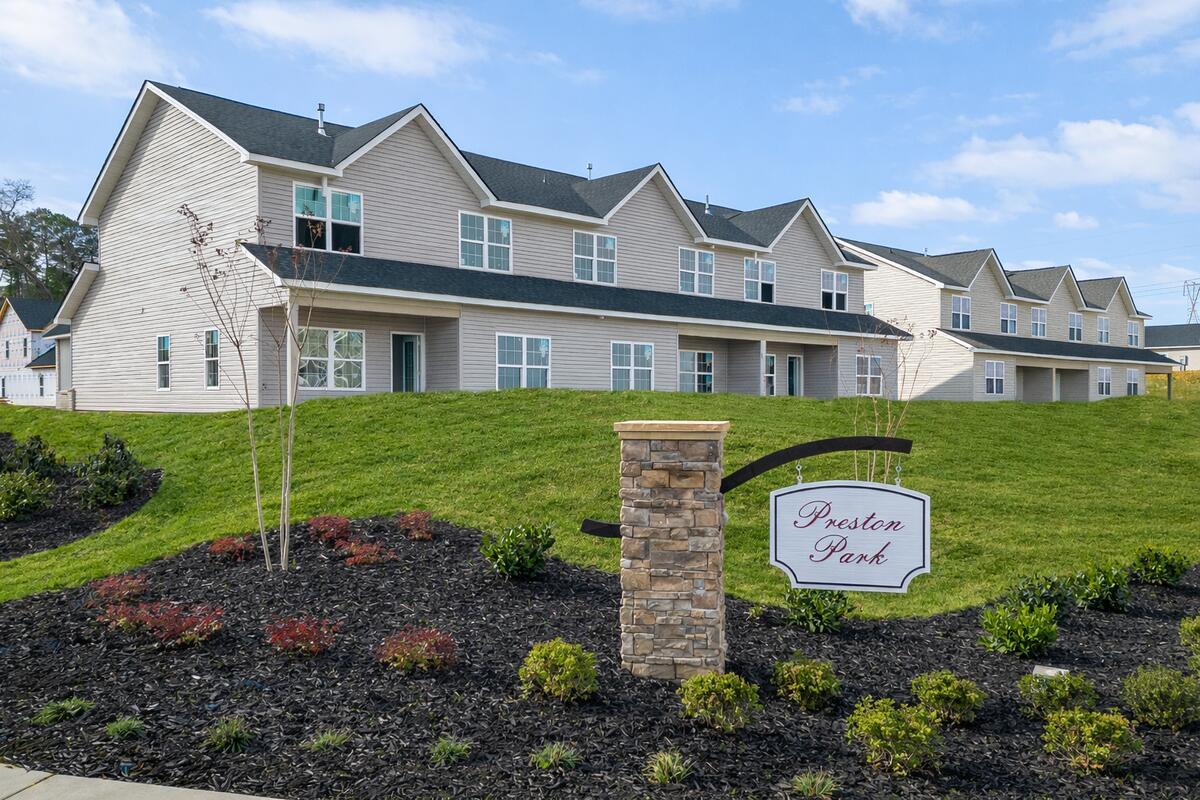
That is the model Right Time Homes is built around. Every community is new construction leased on standard terms, with the landlord responsible for maintenance under Tennessee and South Carolina law rather than the tenant, no option fee, and no above-market premium. Starting rents today are $2,095 at Snowmass townhomes in Knoxville, $2,300 at Allston townhomes in Rock Hill, $2,545 at Poplar Creek townhomes, $2,650 at Mockingbird Meadows, $2,695 at Amber Vista, $2,800 at Preston Park townhomes, $3,150 at Green Meadows in Lenoir City, and $3,250 at Dumphries Drive in Charlotte.
Run the Knoxville example one more time from that angle. A renter at Poplar Creek pays $2,545. The same renter in a rent to own deal on a comparable home pays $3,054 plus a $10,973 option fee. Over 36 months the difference is $29,297, and the Right Time Homes renter has it in the bank with interest, usable as a down payment on any home in Knox County, not one. The rent to own renter has it only if they close on that one house at that one price. When Freddie Mac's rate moves from 6.34 percent to 7.28 percent in a single year, as it did between October 2025 and October 2026, having the freedom to wait is worth real money.
Browse the full inventory of houses for rent in Knoxville, Tennessee and houses for rent in Rock Hill, South Carolina. If you are weighing the numbers on buying, our rent vs buy analysis for Knoxville in 2026 walks through the full cost of ownership, and last week's guide to lease agreements, every clause, and what it costs to break one explains the standard lease you would sign instead of a rent to own contract.
Frequently Asked Questions
How does rent to own homes work, step by step?
You sign a lease for one to three years plus an option to buy at a set price. You pay a nonrefundable option fee, typically 1 to 5 percent of the price, and monthly rent that may include a credit toward the purchase. At the end of the term you get a mortgage and close, applying the fee and credits to the price, or you walk away and forfeit them.
What is rent to buy, and is it the same as rent with option to buy?
Yes, in American usage they describe the same arrangement. "Rent to buy" and "rent with option to buy" both mean a lease paired with a purchase option, which Bankrate and Experian call a lease-option. The term to watch for is "lease-purchase," which removes the option and obligates you to buy. Always read the contract's own definition rather than the listing's headline.
Is rent to own a good idea in 2026?
It can be for a renter who cannot qualify for a mortgage today, has a credible plan to qualify within the term, and wants one specific home. With the 30-year rate at 7.28 percent and Rock Hill values down 2.2 percent, most renters are better off leasing at market rent and saving the premium, which keeps both the cash and the choice of home.
What is the difference between a lease-option and a lease-purchase?
A lease-option gives you the right but not the obligation to buy; if you do not, you lose the option fee and credits and owe nothing more. A lease-purchase binds both parties to complete the sale, so failing to secure financing can expose you to a breach of contract lawsuit on top of forfeited credits. Always confirm which one you are signing.
How much is the option fee on a rent to own home?
Bankrate reports a typical option fee of 1 to 5 percent of the purchase price, and Experian reports 2 to 7 percent of the home's value. On a $365,771 Knoxville home that is $3,658 to $18,289; on a $323,823 Rock Hill home it is $3,238 to $16,191. The fee is nonrefundable and is credited to the price only if you complete the purchase.
Can you get your money back if you do not buy the house?
Usually not. The option fee is nonrefundable by design, and rent credits are typically forfeited if the option expires unexercised. A security deposit, if one was charged separately, is protected by Tenn. Code 66-28-301 or S.C. Code 27-40-410 and must be returned less lawful deductions, but no statute in either state requires the option fee or credits to be returned.
Does Tennessee or South Carolina law regulate rent to own homes?
Not with a dedicated statute. The lease portion falls under Tenn. Code Title 66, Chapter 28 in counties over 75,000 people, including Knox County, and under S.C. Code Title 27, Chapter 40 statewide. Both states require a seller property condition disclosure for a lease with an option to buy: Tenn. Code 66-5-201 names that transfer type expressly, and S.C. Code 27-50-10 counts the tenant as a purchaser.
What credit score do you need for rent to own?
Requirements are set by each operator rather than by law. Experian reports Divvy Homes required a minimum score of 550 and Dream America a minimum of 500, with income, debt, and rental history also considered. Mortgage lenders typically require more, which is why the lease term is meant to be used to raise your score before the option comes due.
Sources
- Bankrate, "How rent-to-own homes work" (updated March 26, 2026): option fee range of 1 to 5 percent, lease-option and lease-purchase definitions, worked example with 20 percent rent credit.
- Experian, "Rent-to-Own Homes: How It Works" (March 25, 2026): option fee range of 2 to 7 percent, $350,000 example, closing costs of 2 to 5 percent, Divvy and Dream America minimum credit scores, pros and cons.
- Freddie Mac Primary Mortgage Market Survey, "Mortgage Rates Average 7.28%" (October 1, 2026): 30-year fixed 7.28 percent, 15-year fixed 6.60 percent, prior week 7.03 percent, one year ago 6.34 percent.
- U.S. Census Bureau, Quarterly Residential Vacancies and Homeownership, Second Quarter 2026 (July 28, 2026): homeownership rate 65.0 percent, South region 66.9 percent, under-35 rate 35.2 percent, rental vacancy rate 7.3 percent.
- National Association of Realtors, 2025 Profile of Home Buyers and Sellers (November 4, 2025): first-time buyer share 21 percent, median first-time buyer age 40, median down payment 10 percent for first-time and 23 percent for repeat buyers.
- Zillow, Knoxville TN Home Values: Zillow Home Value Index $365,771, up 0.3 percent year over year.
- Zillow, Rock Hill SC Home Values: Zillow Home Value Index $323,823, down 2.2 percent year over year.
- Tenn. Code 66-28-102: Uniform Residential Landlord and Tenant Act applies only in counties with more than 75,000 residents by the 2010 census.
- Tenn. Code 66-28-201(d): late fees capped at 10 percent of past-due rent after a five-day grace period.
- Tenn. Code 66-28-301: security deposit must be held in a dedicated account with a written damage listing.
- Tenn. Code 66-5-201: Residential Property Disclosure Act applies to transfers by "installment land sales contract or lease with option to buy."
- Tenn. Code 66-5-209: exemptions from the disclosure requirement.
- S.C. Code 27-40-410: security deposit returned with itemized notice within 30 days; treble damages for wrongful withholding.
- S.C. Code 27-40-530: landlord must give at least 24 hours of notice before entry except in an emergency.
- S.C. Code 27-50-10, 27-50-30, and 27-50-40: Residential Property Condition Disclosure Act definitions, exemptions, and the owner's duty to furnish a written disclosure statement.
- Tenn. Code 47-18-601 et seq., Tennessee Rental-Purchase Agreement Act (summary by APRO): applies to personal property rental-purchase agreements, not real estate.
- National Association of Realtors, Seller Financing and the Dodd-Frank Act: three-property exclusion, no balloon payments, fixed rate or adjustable after five years, ability-to-repay documentation, creditor threshold of more than five financings a year.
- Bisnow, "Brookfield Subsidiary Picks Up Troubled Rent-To-Own Startup In 'Fire Sale'" (January 14, 2025): Divvy Homes sale to Maymont Homes, prior $2 billion valuation, roughly 7,000 homes worth $1.7 billion in 2021.
- LegalClarity, "How Does Rent-to-Own Work in South Carolina?" (September 1, 2025): recording the option with the county Register of Deeds, disclosure requirements.
Last updated: October 8, 2026
Andrew Garza
Real Estate Development Editor
Andrew Garza writes about rental market trends, new-construction homes, and the rent-versus-buy decision for Right Time Homes across Tennessee, North and South Carolina.