

- What is a guarantor on a lease?
- Guarantor vs co-signer: what's the difference?
- What does it mean to cosign a lease?
- When do you need a guarantor for apartment approval?
- How much income does a guarantor need?
- What do guarantor services cost in 2026?
- What does a guarantor agreement actually say?
- What do Tennessee and South Carolina laws say about guarantors and co-signers?
- How do you ask someone to be your guarantor?
- How does Right Time Homes handle guarantors and co-signers?
- Frequently Asked Questions
- Sources
In brief: A guarantor is a person or company who signs a written promise to pay rent, fees and damages if the tenant defaults, without living in the home; a co-signer is liable from day one. Landlords ask for one when income is under 3 times rent, about $5,796 a month on the $1,932 U.S. typical rent (Zillow, September 2026), and expect a guarantor to earn 4 to 5 times rent. Tenn. Code 29-2-101 and S.C. Code 32-3-10 require a signed writing.
So, what is a guarantor? If you have ever been told your rental application looks good "but you will need a guarantor," you have run into one of the least explained parts of renting. A guarantor is a person (or sometimes a company) who signs a legally binding promise to pay your rent and other lease charges if you do not. They do not live in the home, they do not get a key, and in a good year they never hear from the landlord at all. This guide explains what a guarantor on a lease actually does, how a guarantor differs from a co-signer and a co-applicant, how much income a guarantor for apartment approval usually needs, what third-party guarantor services charge in 2026, and what Tennessee and South Carolina law say about the whole arrangement. Every number is tied to a dated source, and the worked examples use Right Time Homes starting rents from Knoxville, Lenoir City, Rock Hill and Charlotte.
What is a guarantor on a lease?
A guarantor on a lease is a third party who signs a guaranty agreement promising the landlord that rent, fees and damage charges will be paid if the tenant defaults. The guarantor is not a resident and cannot occupy the home. Landlords typically ask for one when income is below 2.5 to 3 times monthly rent or credit is thin.
To define guarantor in one line: a guarantor is a financial backstop. The tenant stays the primary person responsible for the lease. The guarantor's promise is secondary, meaning it is triggered by the tenant's failure to pay or perform. In practice, though, many residential guaranty forms are written so the landlord can pursue the guarantor as soon as the tenant misses a payment, without first suing the tenant or waiting for an eviction to finish. That is why the question "what does guarantor mean" has a short answer and a long one. The short answer is "someone who promises to cover the rent." The long answer is "someone who has accepted, in writing, the full financial risk of a lease they will never live under."
The need for a guarantor is growing with rents. Zillow's September 2026 market report put the typical U.S. asking rent at $1,932, up 2.7 percent from a year earlier, the biggest annual gain since April 2025. Single-family rentals, the category Right Time Homes builds, averaged $2,314 in Zillow's July 2026 rent report, against $1,786 for multifamily. Meanwhile the median renter household earned about $51,300 according to Zillow's 2025 Consumer Housing Trends Report. At the 3 times rent rule, a $1,932 rent asks for $5,796 a month, or about $69,552 a year, well above that median. The gap between what landlords ask and what many applicants earn is precisely the space a guarantor fills. And with the Census Bureau's rental vacancy rate at 7.3 percent in the second quarter of 2026, landlords in many markets have a reason to work with a borderline applicant rather than lose a month of rent, which is why the guarantor conversation comes up so often.
Guarantor vs co-signer: what's the difference?
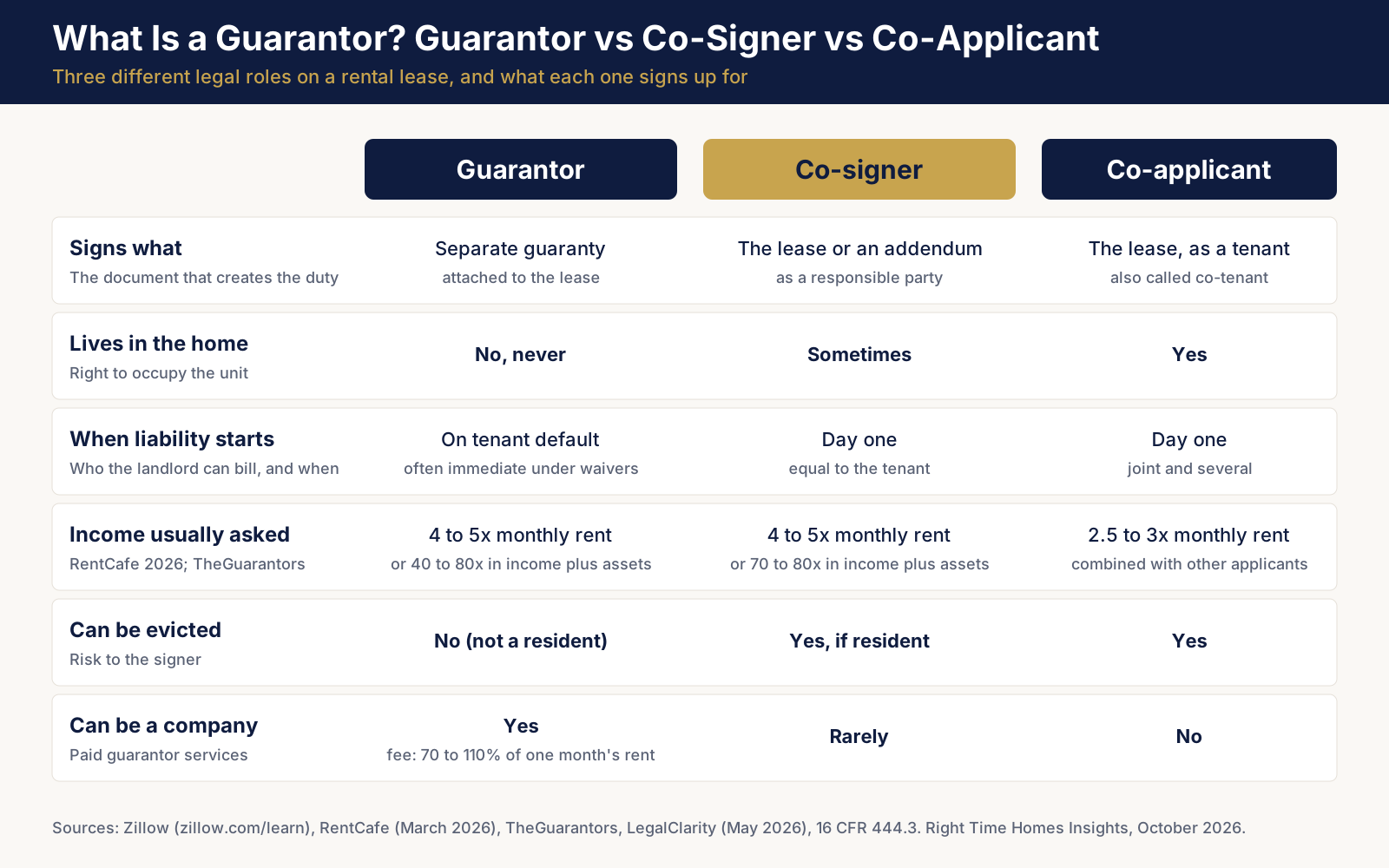
A guarantor promises to pay only if the tenant defaults, while a co-signer accepts liability for the lease from the day it is signed, equal to the tenant's own. A co-signer may or may not live in the home. Both words get used loosely in leasing, so read the document itself to see which liability you are accepting.
This is where most renters, and many parents, get tripped up. So what is a co signer for an apartment, exactly? A co-signer signs the lease itself (or an addendum to it) as a party, not a separate guaranty document. Legally the co-signer stands in the same position as the tenant: jointly and severally liable, which means the landlord can collect 100 percent of what is owed from either person. Cornell Law School's Legal Information Institute describes a cosigner as someone who accepts "an equal responsibility for repaying" the obligation, and notes that if the borrower pays late or defaults, both parties' credit can be harmed.
A guarantor, by contrast, signs a guaranty, which is a separate contract that depends on the lease. The guarantor's duty is conditional on the tenant's breach. In theory the landlord must show the tenant failed to pay before the guarantor owes anything. In practice, many residential guaranty forms include waivers that let the landlord move against the guarantor immediately, so the gap between the two roles is narrower than the textbook definitions suggest. The real differences that survive the fine print are these: a guarantor is never a resident, never has a right of occupancy, and is not named as a tenant on the lease, whereas a co-signer who also lives in the unit is simply a roommate with full obligations.
TheGuarantors, one of the largest institutional lease guarantors in the country, summarizes the distinction this way in its guarantor versus co-signer guide: a guarantor pays only when the tenant does not, cannot live in the unit, and usually needs income or liquid assets of 40 to 80 times the monthly rent; a co-signer shares the rent obligation from the start, can live in the unit, and typically needs 70 to 80 times monthly rent in combined income and assets. The company rates the eviction risk to the signer as medium for a guarantor and high for a co-signer, because a co-signer who is also a resident can be evicted along with the tenant.
| Feature | Guarantor | Co-signer | Co-applicant (co-tenant) |
|---|---|---|---|
| Signs what | A separate guaranty agreement attached to the lease | The lease or a co-signer addendum | The lease, as a tenant |
| Lives in the home | No, never | Sometimes | Yes |
| When liability starts | On the tenant's default (often immediately, under waiver clauses) | Day one, equal to the tenant | Day one, equal to the tenant |
| Right to occupy | None | Only if also named as a resident | Full |
| Can be evicted | No (not a resident) | Yes if resident | Yes |
| Typical income asked (RentCafe, March 2026; TheGuarantors) | 4 to 5 times monthly rent, or 40 to 80 times in income plus assets | 4 to 5 times monthly rent, or 70 to 80 times in income plus assets | Combined 2.5 to 3 times monthly rent with the other applicants |
| Credit pulled | Yes | Yes | Yes |
| Can be a company | Yes (guarantor services) | Rarely | No |
What does it mean to cosign a lease?
To cosign a lease means to sign the rental contract as a legally responsible party, so the landlord can hold you accountable for every obligation in it: rent, late fees, utilities assigned to the tenant, damage beyond normal wear and tear, and any balance owed after an early move-out. You are not a backup. You are a borrower.
What does it mean to cosign a lease in dollar terms? Take the Allston townhomes in Rock Hill at a $2,300 starting rent. A 12-month lease is a $27,600 commitment. If the tenant stops paying in month four and the home sits empty for two months before it is re-leased, the co-signer can be billed for the unpaid rent, the vacancy period the lease makes the tenant responsible for, any cleaning or repair above wear and tear, and collection costs if the lease allows them. Because the liability is joint and several, the landlord does not have to split the bill or chase the tenant first.
The federal government has long recognized how poorly people understand this. The Federal Trade Commission's Credit Practices Rule, 16 CFR 444.3, requires lenders and retail installment sellers to hand co-signers a standalone "Notice to Cosigner" before they become obligated. The notice is worth reading even though it technically governs consumer credit rather than residential leases, because the warnings describe lease co-signing just as accurately: "You may have to pay up to the full amount of the debt if the borrower does not pay," "You may also have to pay late fees or collection costs, which increase this amount," and "The creditor can collect this debt from you without first trying to collect from the borrower." Landlords are not required to give that notice, so a renter who asks a parent to cosign should give them this article instead.
One more consequence is often missed. Cosigning a lease can show up on the co-signer's credit profile if the landlord or a collection agency reports a default, and a co-signer who is applying for a mortgage during the lease term may find the rent counted as a monthly obligation in their debt-to-income ratio. Ask the landlord in writing whether the lease is reported to any bureau before signing.
When do you need a guarantor for apartment approval?
You usually need a guarantor for apartment approval when your gross income is below 2.5 to 3 times the monthly rent, your credit score is under the landlord's floor (often 600 to 650), your credit file is too thin to score, you have no rental history, or you have no U.S. credit. Students and first-time renters are the usual cases.
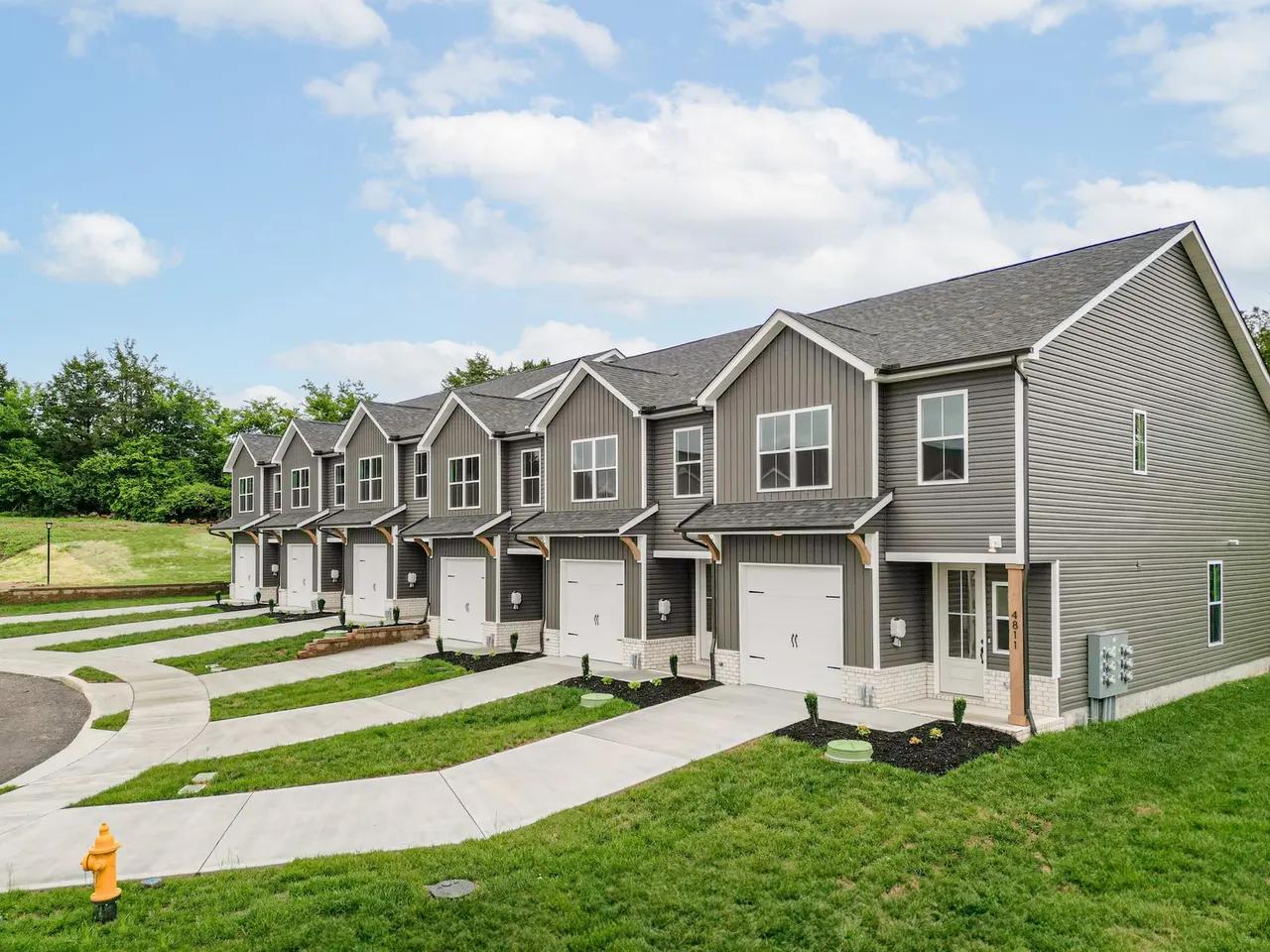
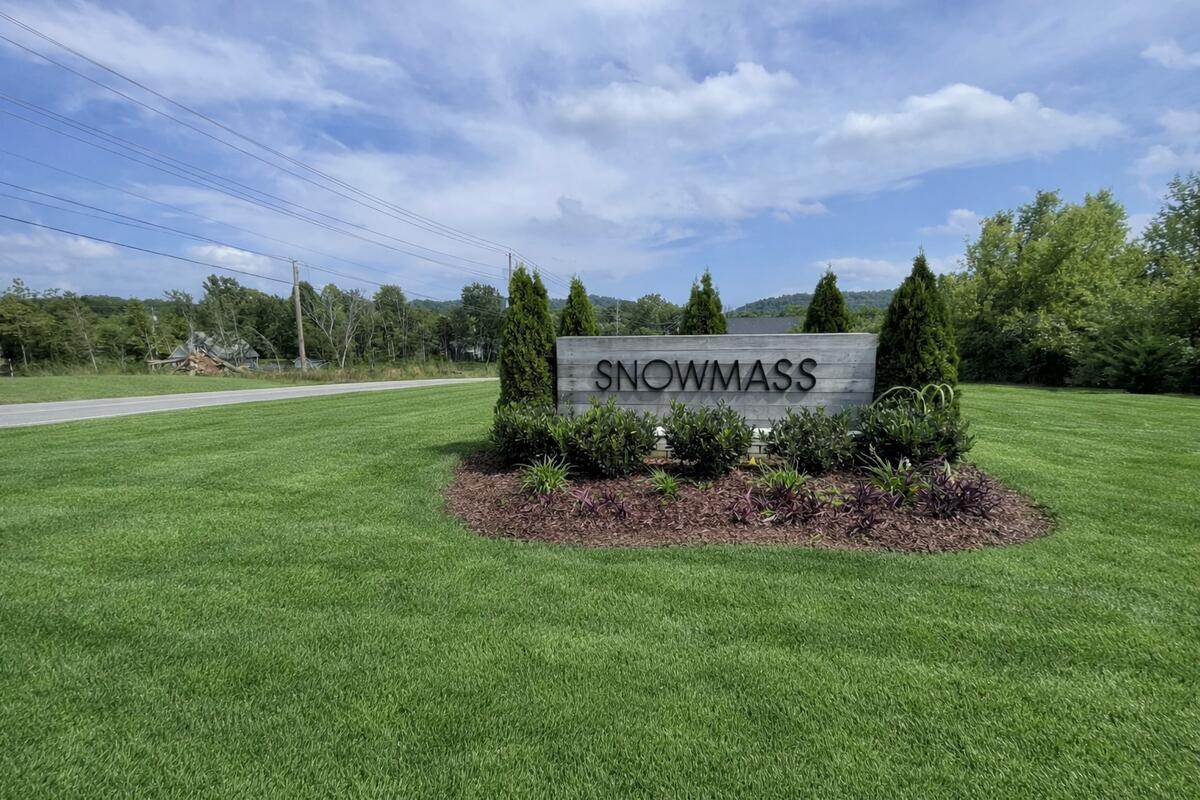
The income test is the most frequent trigger. Zillow's renter guidance notes that many landlords require tenants to earn 2.5 to 3 times the monthly rent and that some set a minimum credit score of 600. RentCafe's March 2026 explainer puts the standard at three times rent for tenants and four to five times rent for a cosigner. At a $1,932 national typical rent, three times is $5,796 a month. At the Snowmass townhomes in Knoxville, where rent starts at $2,095, three times is $6,285 a month, or $75,420 a year. At Dumphries Drive in Huntersville, in the Charlotte metro, at $3,250, the same rule asks for $9,750 a month, or $117,000 a year.
Credit is the second trigger, and it is where younger renters feel the squeeze. FICO's Spring 2026 Credit Insights report (March 24, 2026) put the national average FICO score at 714, down two points in a year, with 48.1 percent of consumers at 750 or higher. Gen Z, however, averaged 676 in FICO's 2025 data, the lowest of any generation and roughly 38 points below the national figure. Experian's November 2025 renter survey found that 23 percent of respondents had been denied a mortgage or rental application because of their credit score, even though roughly 60 percent of renters have near-prime or better credit. A 676 score is not bad credit, but it sits close to many landlords' cutoffs, and a 21-year-old with a single credit card and no rental history may not have enough file depth to be scored at all. That applicant is approvable with an apartment guarantor.
Thin or absent rental history matters too. A renter who has lived with parents or in a dorm cannot provide the landlord references that most screening models want. The same is true of someone relocating for a new job whose offer letter shows plenty of income but whose first paycheck is six weeks away. In both cases the guarantor is bridging a documentation gap rather than an affordability gap, and some landlords will accept a larger security deposit or a few months of prepaid rent instead. Tennessee and South Carolina do not cap security deposits, so that is a real alternative in both states, though the rules on holding and returning the deposit still apply (see our security deposit guide).
How much income does a guarantor need?
Most landlords ask a personal guarantor to show gross income of 4 to 5 times the monthly rent, and some competitive markets require 80 times monthly rent in annual income. Guarantor companies set their own thresholds, commonly 27.5 times monthly rent in annual income for the renter, or 50 to 80 times rent for a responsible party.
The spread is wide because landlords are pricing two different things: the probability the guarantor will be called on, and the probability they can actually pay a year of someone else's rent when they are. A parent earning five times the rent can absorb a few missed months. A parent earning 80 times the rent, the New York standard, could pay the entire lease out of pocket without noticing. Outside the coastal markets, 4 to 5 times monthly rent is the most common requirement and is the figure RentCafe reports for cosigners nationally.
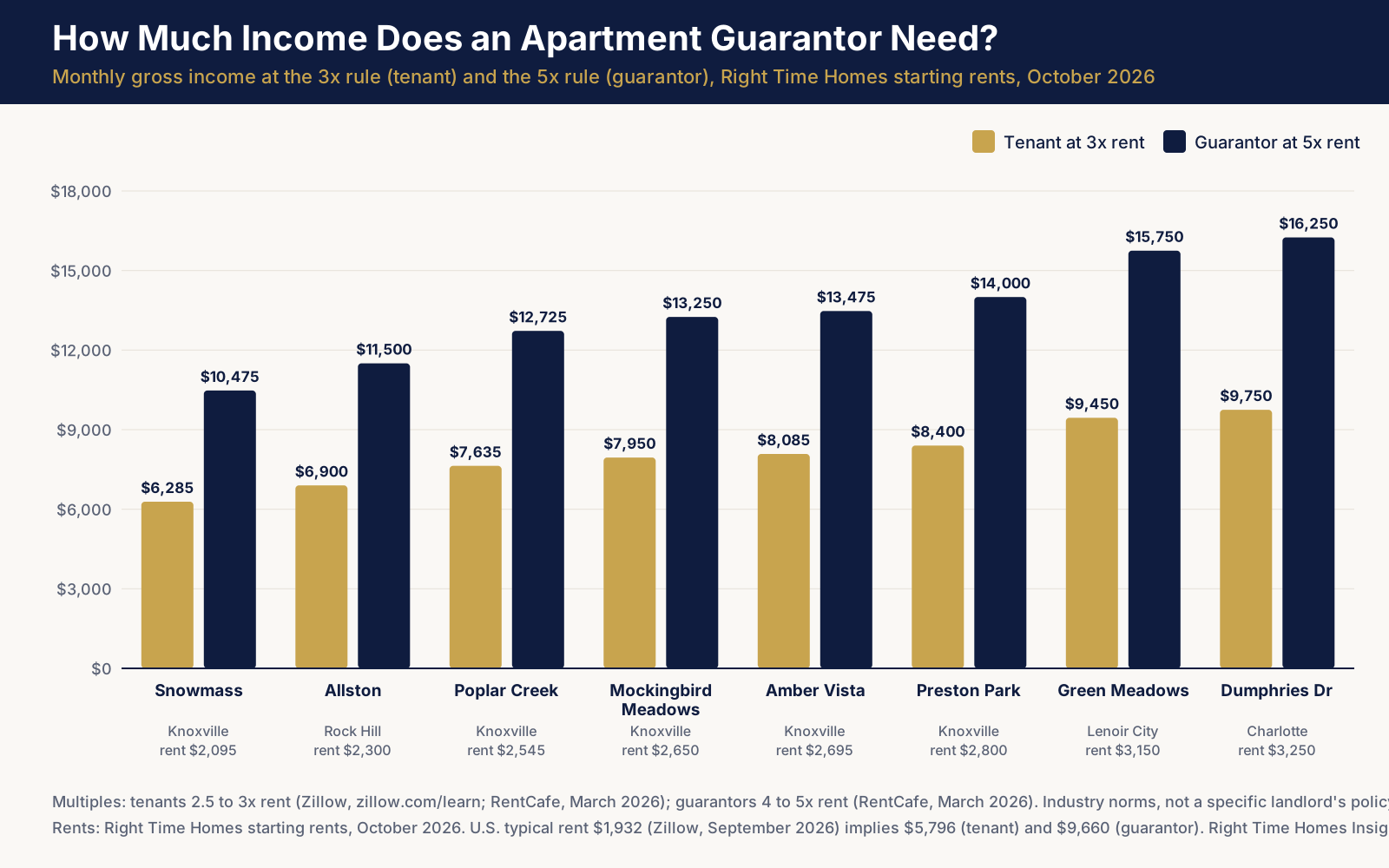
Here is what those multiples look like against every Right Time Homes community. These are illustrative calculations using commonly cited industry multiples, not Right Time Homes approval criteria: the tenant column uses 3 times rent and the guarantor column uses 5 times. The leasing team confirms the actual requirements for a specific home.
| Community (starting rent) | Tenant income at 3x rent (monthly / annual) | Guarantor income at 5x rent (monthly / annual) | Guarantor's exposure on a 12-month lease |
|---|---|---|---|
| Snowmass, Knoxville ($2,095) | $6,285 / $75,420 | $10,475 / $125,700 | $25,140 |
| Allston, Rock Hill ($2,300) | $6,900 / $82,800 | $11,500 / $138,000 | $27,600 |
| Poplar Creek, Oak Ridge ($2,545) | $7,635 / $91,620 | $12,725 / $152,700 | $30,540 |
| Mockingbird Meadows, Knoxville ($2,650) | $7,950 / $95,400 | $13,250 / $159,000 | $31,800 |
| Amber Vista, Knoxville ($2,695) | $8,085 / $97,020 | $13,475 / $161,700 | $32,340 |
| Preston Park, Maryville ($2,800) | $8,400 / $100,800 | $14,000 / $168,000 | $33,600 |
| Green Meadows, Lenoir City ($3,150) | $9,450 / $113,400 | $15,750 / $189,000 | $37,800 |
| Dumphries Dr, Charlotte ($3,250) | $9,750 / $117,000 | $16,250 / $195,000 | $39,000 |
| U.S. typical rent, Zillow Sept 2026 ($1,932) | $5,796 / $69,552 | $9,660 / $115,920 | $23,184 |
Beyond income, expect a guarantor application to ask for a government ID, two recent pay stubs or a W-2 (or two years of tax returns for the self-employed), a credit check authorization, and sometimes proof of U.S. residency. RentCafe's January 2026 guarantor explainer lists verifiable income above the property's threshold, a strong credit profile and U.S. residency as the standard requirements. Many landlords will not accept a guarantor who lives abroad, because a judgment against them is hard to enforce, which is one reason international students and transferees so often turn to the paid services described next.
What do guarantor services cost in 2026?
Third-party guarantor services such as TheGuarantors, Insurent, Leap and Rhino charge the renter a one-time fee of roughly 70 to 110 percent of one month's rent for a 12-month lease, with Morningstar putting the industry range at 75 to 150 percent. On a $1,932 typical rent that is about $1,352 to $2,898. The landlord pays nothing.
These companies are, in effect, insurers. They underwrite the renter, issue a guaranty bond to the landlord, and keep the fee as premium. Bisnow reported in May 2025, citing Morningstar, that the online guarantor market would generate about $775 million in 2025 and pass $1 billion a year by 2032. Growth is being driven from both sides: renters who cannot find a qualifying relative, and landlords who have been burned by fraud. The National Multifamily Housing Council found that more than 93 percent of its members experienced rental fraud in 2023, and 71 percent saw an increase, which makes a bonded guaranty attractive to the property owner as well.
Pricing depends on the renter's profile. A May 2026 LegalClarity review of the sector found domestic renters with U.S. credit paying about 70 to 90 percent of one month's rent, and international renters or those without U.S. credit paying about 98 to 110 percent. The same review reported one major provider's eligibility rules: the renter needs annual income of at least 27.5 times the monthly rent, or liquid assets of 50 times rent paired with decent credit; a responsible party such as a parent can qualify with income of 50 times rent or assets of 80 times rent. Note that 27.5 times monthly rent is 2.3 times rent per month, lower than the 3 times rule most landlords use, which is exactly why the service exists.
What would that fee look like at new-construction rent levels? The table applies the 70 to 110 percent range to Right Time Homes starting rents as an illustration only. Not every landlord accepts a guarantor-service bond, so confirm with the leasing office before you pay for one.
| Community | Starting rent | Guarantor service fee at 70% | Guarantor service fee at 110% | Fee as share of annual rent |
|---|---|---|---|---|
| Snowmass | $2,095 | $1,467 | $2,305 | 5.8% to 9.2% |
| Allston | $2,300 | $1,610 | $2,530 | 5.8% to 9.2% |
| Poplar Creek | $2,545 | $1,782 | $2,800 | 5.8% to 9.2% |
| Mockingbird Meadows | $2,650 | $1,855 | $2,915 | 5.8% to 9.2% |
| Amber Vista | $2,695 | $1,887 | $2,965 | 5.8% to 9.2% |
| Preston Park | $2,800 | $1,960 | $3,080 | 5.8% to 9.2% |
| Green Meadows | $3,150 | $2,205 | $3,465 | 5.8% to 9.2% |
| Dumphries Dr | $3,250 | $2,275 | $3,575 | 5.8% to 9.2% |
Is it worth it? Compare the fee with the alternatives. A larger security deposit is refundable; a guarantor fee is not. A roommate as co-applicant costs nothing but ties your housing to their reliability. A parent as guarantor costs nothing in cash but a great deal in family trust. The paid service makes sense when none of those options is available, or when a parent is willing to help but does not want their own credit and income on the line. Bisnow noted that for roughly half of cash-strapped renters, the equivalent of an extra month's rent put the service out of reach, so it is a tool for the middle of the market, not the bottom.

What does a guarantor agreement actually say?
A residential guaranty agreement names the lease it guarantees, states that the guarantor is liable for all rent, fees and damages the tenant owes, and often adds four clauses: the liability is unconditional, it survives renewals and holdovers, the landlord need not pursue the tenant first, and the guarantor waives notice of default. Read every one before signing.
Those four clauses are what turn a textbook "secondary" obligation into something that behaves like co-signing. Here is what to look for and what to ask for in return.
Scope. Does the guaranty cover only base rent, or also late fees, utilities, pet fees, damage, attorney fees and collection costs? A guarantor can ask to cap the amount at a fixed number, such as six months of rent, or to limit it to rent and damage only.
Duration. Many guaranties state they survive "any renewal, extension or modification" of the lease. Without a clear end date, a parent who guaranteed a one-year lease in 2026 could still be liable in 2029 after three automatic renewals. Ask for the guaranty to expire at the end of the initial term unless renewed in writing.
Roommates. If the tenant has roommates on the same lease, the guaranty usually covers the whole lease, not just the tenant's share. Insurent, a guarantor service, markets to parents precisely on this point: the fear of being responsible for a child's roommates. If a limitation to one tenant's share is not offered, this is a strong argument for the roommates to use a paid service or separate leases.
Notice. Ask for a clause requiring the landlord to notify the guarantor within a set number of days of any missed payment. Without it, the first a guarantor hears may be a collection letter for five months of rent plus fees.
Release. Some landlords will agree to release a guarantor after 12 months of on-time payment, or once the tenant's own income or credit meets the standard. Get that in the agreement, not in an email.
Signature. In both Tennessee and South Carolina the guaranty must be in writing and signed by the guarantor to be enforceable, as explained in the next section. A verbal "sure, I will back you" is not a guaranty.
What do Tennessee and South Carolina laws say about guarantors and co-signers?
Neither state's landlord-tenant act regulates guarantors directly. Both statutes of frauds (Tenn. Code 29-2-101 and S.C. Code 32-3-10) require a promise to answer for another person's debt to be in writing and signed, so a guaranty must be a signed document. The acts then govern what the guarantor owes: rent, late charges, deposits and notice-based termination.
Because the guaranty is a contract that depends on the lease, the landlord-tenant act shapes the guarantor's exposure even though it never mentions the word guarantor. In Tennessee, the Uniform Residential Landlord and Tenant Act (Tenn. Code Title 66, Chapter 28) applies in counties with more than 75,000 people, which includes Knox County (Knoxville) and Blount County, but not Loudon County (Lenoir City), where common law and the lease itself control. In South Carolina, the Residential Landlord and Tenant Act (S.C. Code Title 27, Chapter 40) applies statewide, including York County (Rock Hill). The Dumphries Drive homes in Huntersville are in North Carolina, which sets its own landlord and tenant rules in Chapter 42 of its General Statutes, so check those rules or ask the leasing team before you sign.
| Rule | Tennessee (Tenn. Code 66-28, counties over 75,000 such as Knox) | South Carolina (S.C. Code 27-40, statewide) |
|---|---|---|
| Guaranty must be in writing | Yes. Tenn. Code 29-2-101(a)(2): a "special promise to answer for the debt, default, or miscarriage of another person" is unenforceable unless in writing and signed by the party to be charged; an electronic record counts under 29-2-101(c). | Yes. S.C. Code 32-3-10(2): the same "debt, default or miscarriage of another person" language, in writing and signed by the party to be charged or an authorized agent. |
| Limit on who can be required to guarantee | None in the Act. Landlords may set income and credit standards, subject to fair housing law. | None in the Act. Same fair housing limits apply. |
| Rent due date and demand | Lease controls; written notice of nonpayment is required unless a written lease waives it (66-28-505(b)). | Rent is due at the agreed time without demand or notice; periodic rent is due at the start of each month unless the lease says otherwise (27-40-310(c)). |
| Notice before termination for nonpayment | Written notice of nonpayment; the lease remains enforceable for rent through the remaining term (66-28-505(b)). Late fees cannot start until a 5-day grace period has passed and are capped at 10 percent of the rent past due (66-28-201(d)). | Written notice; the landlord may terminate if rent is not paid within 5 days of the due date (27-40-710(B)). |
| Notice before termination for other breaches | Written notice; termination at least 30 days out, with 14 days to cure; repeat breach within 6 months allows 14-day termination (66-28-505(a)). | Written notice; termination not less than 14 days after receipt if the breach is not remedied (27-40-710(A)). |
| Security deposit cap | No statutory cap. Deposit must be held in a separate account; joint move-out inspection and itemized list required (66-28-301). | No statutory cap. Refund with written itemization within 30 days; up to 3 times the wrongfully withheld amount as penalty (27-40-410). |
| What the guarantor can be billed for | Whatever the lease makes the tenant owe: rent through the term, late fees, damage beyond wear and tear, and attorney fees only if the lease provides for them (66-28-505(c)). | Accrued rent and damages caused by the tenant's noncompliance (27-40-410(a)), plus whatever else the lease and guaranty lawfully include. |
Two practical points flow from this table. First, because both states make guaranties enforceable only in writing, a guarantor who never signed anything is not a guarantor, no matter what was said on the phone. Second, the guarantor's exposure is bounded by what the lease lawfully makes the tenant owe. A Tennessee lease that is silent on attorney fees cannot be used to bill the guarantor for them. A South Carolina landlord who wrongfully withholds a deposit faces the 3 times penalty whether the deposit came from the tenant or the guarantor. If you are asked to guarantee a lease in either state, ask for the full lease, not just the guaranty page, because the lease is what you are actually guaranteeing.
How do you ask someone to be your guarantor?
Ask early, in writing, with the actual lease and guaranty attached, and lead with the numbers: the monthly rent, the term, the maximum they could owe if everything went wrong, and the income and credit check they will have to pass. Then offer protections in return, such as automatic payments, a shared payment calendar, or a written side agreement.
Being asked to guarantee a lease is being asked to accept a five-figure contingent liability. Treat the conversation that way. Here is a sequence that works for most families.
Start with a complete picture of your own finances: pay stubs, savings, the budget that shows rent at or below a third of your take-home pay. A guarantor is reassured less by "I promise I will pay" than by a spreadsheet that shows how. Then share the landlord's requirements verbatim: the income multiple, the documents they will request, and whether a hard credit inquiry will be run. Many parents assume the check is a formality and are surprised when a lender later asks about it.
Next, state the worst case plainly. On a $2,095 Snowmass lease, a 12-month guaranty is a $25,140 exposure before fees and damages. On a $3,250 Dumphries Drive lease it is $39,000. Saying the number out loud is uncomfortable, and that is the point: the FTC's own cosigner notice exists because people routinely underestimate the liability until it arrives.
Finally, offer structure. Set up rent autopay so the guarantor is never the first to find out about a missed payment. Agree that you will tell them the same day if anything goes wrong. If it helps, sign a short private agreement that you will reimburse them for anything they pay, which does not change the landlord's rights but does make the family arrangement explicit. And if a relative says no, remember that a guarantor service, a larger deposit, or a few months of prepaid rent are all legitimate alternatives in Tennessee and South Carolina.
How does Right Time Homes handle guarantors and co-signers?
Right Time Homes accepts co-signers in certain situations. A co-signer completes their own application, meets the income requirement, passes a credit and background check, and must be a U.S. resident. Co-signer policies can vary by community, so ask the leasing team about the specific home you are considering before you apply, and you and the person helping you can prepare the right documents from the start. If the person helping you would rather act as a guarantor than a co-signer, ask which arrangement applies to that home.
Right Time Homes co-signer requirements
- The co-signer completes a separate rental application.
- The co-signer meets the income requirement and passes a credit and background check.
- The co-signer is a U.S. resident.
- Every adult 18 or older who will live in the home also submits their own application.
- There is no hard minimum credit score. A score of 620 or higher is generally considered favorable, and an applicant with a lower score may be approved with a higher security deposit or a qualified co-signer.
The full screening rules, including the documents every applicant provides, are on the Right Time Homes FAQ.
We build and lease single-family homes and townhomes, which Zillow's July 2026 data shows rent for about 30 percent more than the typical multifamily unit nationally. That premium means the 3 times rent rule asks for more income than it does at a typical apartment, so it is worth checking the numbers before you apply. If a co-signer is part of your plan, have the following ready: the co-signer's contact information, their consent to a credit and income check, and two recent pay stubs or a W-2 for them as well as for yourself. Ask to see the guaranty agreement before anyone signs, including how long it lasts and what it covers, so the person helping you knows exactly what they are agreeing to.
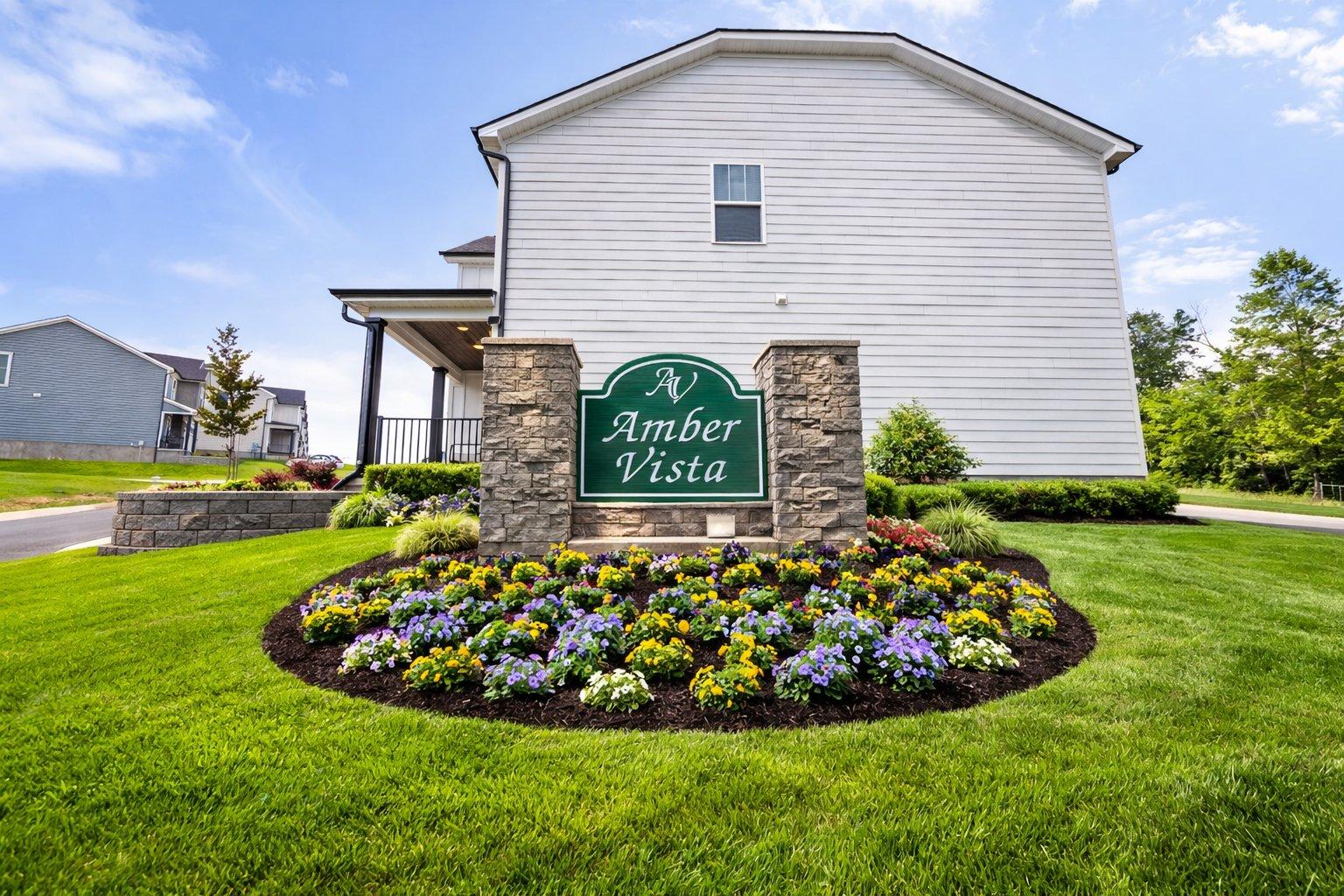
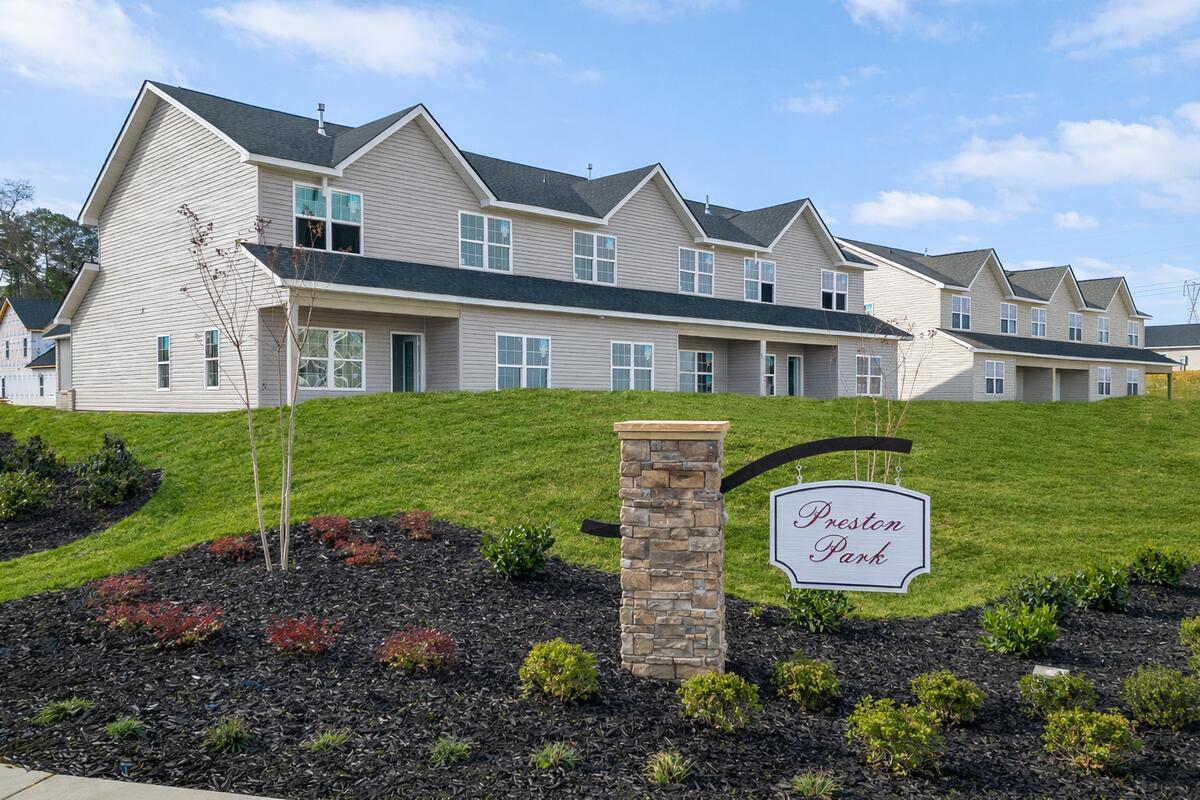
In Knoxville, our houses for rent in Knoxville, Tennessee include Snowmass townhomes from $2,095, Poplar Creek townhomes from $2,545, Mockingbird Meadows homes from $2,650, Amber Vista homes from $2,695 and Preston Park townhomes from $2,800, with Green Meadows homes in Lenoir City from $3,150. In South Carolina, our houses for rent in Rock Hill start with Allston townhomes at $2,300. In the Charlotte metro, Dumphries Drive homes in Huntersville, North Carolina start at $3,250. For context, Rentometer's October 22, 2026 data puts the average 3-bedroom rent in Rock Hill at $1,929 and the average 4-bedroom at $2,577, and Zillow's July 2026 report puts the typical Charlotte asking rent at $1,756, so our homes sit in the newer, larger end of each market where income screening is a real consideration.
If you are working through the rest of the application, two earlier guides pair well with this one: Security Deposits Explained, which covers the Tennessee and South Carolina rules on how deposits are held and returned, and Lease Agreements Explained, which walks through every clause a guarantor is actually guaranteeing.
Frequently Asked Questions
What is a guarantor on a lease in simple terms?
A guarantor on a lease is a person or company who signs a written promise to pay the rent, fees and damages if the tenant does not. The guarantor does not live in the home and has no right to occupy it. Landlords ask for one when an applicant's income is under about 3 times the rent or their credit file is thin or below the landlord's minimum.
What does guarantor mean compared with co-signer?
Guarantor means someone whose liability starts only when the tenant defaults, while a co-signer is liable from day one exactly like the tenant and may also live in the home. In practice many residential guaranty forms include waivers that let the landlord pursue the guarantor immediately, so the two roles are closer than the definitions suggest. Always read the specific document.
How much income does an apartment guarantor need?
Most landlords ask an apartment guarantor to earn 4 to 5 times the monthly rent, so about $10,475 a month on a $2,095 Snowmass lease or $16,250 on a $3,250 Dumphries Drive lease. New York landlords often require 80 times monthly rent in annual income. Institutional guarantor services set their own tests, commonly 27.5 times rent for the renter or 50 to 80 times for a responsible party.
Does being a guarantor affect your credit score?
Applying as a guarantor usually involves a credit inquiry, which can trim a few points temporarily. The guaranty itself is not normally reported as a tradeline, but if the tenant defaults and the landlord or a collector reports the debt, it can land on the guarantor's credit report. A mortgage lender may also treat a known guaranty as a contingent liability during underwriting.
Can a guarantor get out of a lease guaranty?
Only if the guaranty says so or the landlord agrees in writing. Most residential guaranties run for the full lease term and often through renewals. Ask before signing for an expiration at the end of the initial term and a release after 12 months of on-time payments. In Tennessee and South Carolina the guaranty must be in writing, and so must any release.
What is a co signer for an apartment, and can a roommate be one?
A co-signer for an apartment is a person who signs the lease and becomes fully and equally liable for every obligation in it. A roommate who signs the lease is technically a co-tenant or co-applicant rather than a cosigner, but the liability is the same: joint and several, meaning the landlord can collect the whole balance from any one signer if the others stop paying.
What do guarantor companies charge?
Guarantor services typically charge a one-time, non-refundable fee of 70 to 110 percent of one month's rent for a 12-month lease, with Morningstar reporting an industry range of 75 to 150 percent. On a $2,300 Allston lease that is about $1,610 to $2,530. Renters with U.S. credit pay the lower end, and international applicants without U.S. credit pay the higher end.
Do guarantor laws differ in Tennessee and South Carolina?
The core rule is the same: a guaranty must be in writing and signed, under Tenn. Code 29-2-101 and S.C. Code 32-3-10. The differences come from the landlord-tenant acts. South Carolina lets a landlord terminate after 5 days of unpaid rent with notice (27-40-710), while Tennessee requires written notice of nonpayment and allows a 14-day cure for other breaches (66-28-505). Neither state caps security deposits.
Sources
Zillow Research, "Winter Has Arrived Early in the Housing Market" (September 2026 Market Report), October 6, 2026: typical U.S. rent $1,932, up 2.7 percent year over year.
Zillow Research, July 2026 Rent Report: typical rent $1,962; single-family $2,314; multifamily $1,786; 39.8 percent of listings with a concession; Charlotte typical rent $1,756.
Zillow, "What Is a Guarantor on a Lease?" (zillow.com/learn), accessed October 22, 2026: 2.5 to 3 times rent income guideline; 600 minimum credit score at some landlords.
Zillow, Consumer Housing Trends Report 2025, Renters: median renter household income about $51,300; median application fee $50; median renter age 42.
FICO, "FICO Score Credit Insights Report, Spring 2026," March 24, 2026: average FICO Score 714; 48.1 percent of consumers at 750 or higher.
FICO Credit Insights Report 2025, as reported by Step, April 20, 2026: Gen Z average FICO Score 676, lowest of any generation.
Experian, "Nearly Half of U.S. Renters Anticipate Buying a Home Within Four Years," Business Wire, November 18, 2025: 23 percent denied a mortgage or rental application because of credit; about 60 percent of renters near-prime or better.
Bisnow, "Renter Guarantors Will Soon Be a $1B-a-Year Industry," May 20, 2025, citing Morningstar and the National Multifamily Housing Council: fees 75 to 150 percent of one month's rent; $775 million market in 2025; 93 percent of NMHC members reporting fraud in 2023.
LegalClarity, "Third-Party Lease Guarantors: How They Work and What They Cost," May 17, 2026: fees 70 to 110 percent of one month's rent; 27.5x, 50x and 80x eligibility thresholds.
TheGuarantors, "Guarantor vs. Co-Signer: A Millennial's Guide," accessed October 22, 2026: income and asset multiples of 40 to 80 times (guarantor) and 70 to 80 times (co-signer) monthly rent.
RentCafe, "Apartment Cosigner vs. Coapplicant," March 13, 2026: 3 times rent for tenants, 4 to 5 times rent for cosigners. RentCafe, "What Is an Apartment Guarantor," January 20, 2026: U.S. residency and strong credit as standard requirements.
Cornell Law School, Legal Information Institute, "Cosigner," accessed October 22, 2026.
Federal Trade Commission, Credit Practices Rule, 16 CFR 444.3, "Unfair or deceptive cosigner practices," Notice to Cosigner text.
Tennessee Code Annotated 29-2-101 (Statute of Frauds, writing required); 66-28-201, 66-28-301 and 66-28-505 (Uniform Residential Landlord and Tenant Act), via Justia, 2025 edition.
South Carolina Code of Laws 32-3-10 (Statute of Frauds); 27-40-210, 27-40-310, 27-40-410 and 27-40-710 (Residential Landlord and Tenant Act), South Carolina Legislature, accessed October 22, 2026.
U.S. Census Bureau, Housing Vacancies and Homeownership, Second Quarter 2026, July 28, 2026: rental vacancy rate 7.3 percent; median asking rent $1,531.
Rentometer, Average Rent in Rock Hill, SC, data as of October 22, 2026: 3-bedroom $1,929; 4-bedroom $2,577.
Right Time Homes community pages, starting rents as of October 22, 2026.
This article is general information, not legal advice. Statutes are current as of October 2026; confirm the text with the official state code or a licensed attorney before relying on it.
Last updated: October 22, 2026
Andrew Garza
Real Estate Development Editor
Andrew Garza writes about rental market trends, new-construction homes, and the rent-versus-buy decision for Right Time Homes across Tennessee, North and South Carolina.