
- What is a security deposit and how does it work?
- How much is a security deposit in 2026?
- What can a landlord deduct from a security deposit?
- What are the security deposit laws in Tennessee?
- What are the security deposit laws in South Carolina?
- How do you get your full security deposit back?
- Security deposit worked examples: Snowmass, Allston and Poplar Creek
- Is a security deposit the same as last month's rent, a pet deposit, or a move-in fee?
- How do security deposits work at Right Time Homes?
- Frequently Asked Questions
- Sources
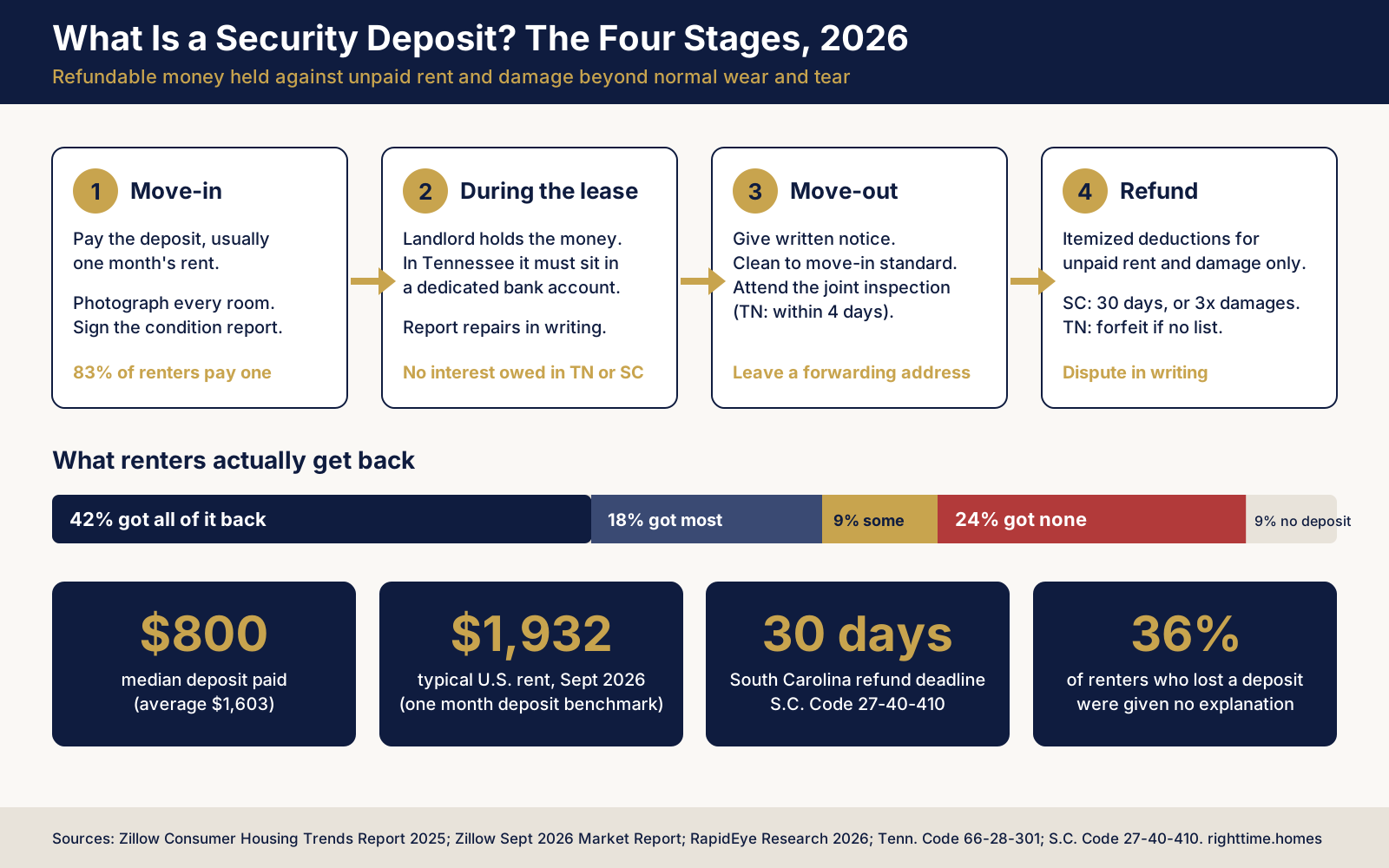
In brief: A security deposit is a refundable sum, usually about one month's rent, that a landlord holds during the lease against unpaid rent and damage beyond normal wear and tear. Zillow's 2025 data puts the median deposit near $800, and only 42 percent of movers get all of it back. Tennessee landlords must follow Tenn. Code 66-28-301 (separate account, joint inspection, itemized list); South Carolina landlords must refund with itemization within 30 days under S.C. Code 27-40-410 or owe triple damages.
If you are about to sign a lease, the first question most renters ask is simple: what is a security deposit, and will I ever see that money again? A security deposit is a refundable sum you pay the landlord before you move in, usually equal to about one month's rent, that protects the landlord against unpaid rent and damage beyond normal wear and tear. In 2026, 83 percent of renters pay one, the median deposit is about $800, and only 42 percent of movers get every dollar back. This guide explains how security deposits work, what landlords in Tennessee and South Carolina can legally deduct, the exact deadlines in Tenn. Code 66-28-301 and S.C. Code 27-40-410, and a step by step plan for getting your full security deposit return.
What is a security deposit and how does it work?
A security deposit is money a renter pays up front that the landlord holds during the lease as insurance against unpaid rent, unpaid utilities, lease violations, and physical damage that goes beyond normal wear and tear. It stays the tenant's money. When the lease ends, the landlord must either return it or send an itemized statement explaining every deduction.
Think of it as collateral rather than a fee. An application fee or a pet fee is nonrefundable; a security deposit is not. The landlord may only keep what the lease and state law allow, and must account for the rest. Zillow's 2025 Consumer Housing Trends Report found that 83 percent of recent renters paid a security deposit, with a median of $795 across all recent renters and an average of $1,603 among those who paid one. Roughly 35 percent paid $500 or more and 20 percent paid $1,000 or more. First month's rent was required up front by 73 percent of landlords, and 24 percent also asked for last month's rent, so a renter moving into a $2,095 townhome can easily owe $4,000 to $6,000 before the keys are handed over.
There is no federal security deposit law for private rentals. Deposit limits, holding requirements, return deadlines, and penalties are all set by state statute, and in a few places by city ordinance. That is why the same deposit question has a different answer in Knoxville than it does in Rock Hill, and why this article treats Tennessee and South Carolina separately below.
How much is a security deposit in 2026?
Most landlords charge one month's rent, so a typical security deposit in 2026 runs $1,400 to $2,000 nationally and $1,500 to $3,250 for a new construction rental home. Neither Tennessee nor South Carolina caps the amount. Twenty one states set no limit, while at least eleven jurisdictions, including California, New York, and Massachusetts, cap deposits near one month's rent.
The national benchmarks help you judge whether a quoted deposit is reasonable. Zillow's Observed Rent Index put the typical U.S. rent at $1,932 in September 2026, up 2.7 percent year over year, the fastest annual gain since April 2025. Apartment List's September 2026 national median, which skews toward apartments rather than houses, was $1,388, down 0.4 percent from a year earlier with a 7.0 percent vacancy index. A landlord asking one month of rent as a deposit is therefore asking somewhere between $1,400 and $1,950 for an average unit.
Local numbers matter more. Zillow's October 2026 market page lists the average Knoxville rent at $1,750 across all home types, down $50 from a year earlier, with three bedroom homes averaging $2,050 and four bedroom homes $2,131. Charlotte's typical rent was $1,735 in September 2026, up 1.4 percent. Rock Hill averaged about $1,550 in Zillow's most recent update. New construction single family rentals and townhomes sit above those averages because they are larger and newer, which is why a one month deposit on a Right Time Homes home ranges from $2,095 at Snowmass to $3,250 at Dumphries Drive.
| Market or community | Monthly rent (2026) | Deposit equal to one month | Source |
|---|---|---|---|
| U.S. typical rent (Zillow ZORI, Sept 2026) | $1,932 | $1,932 | Zillow September 2026 Market Report |
| U.S. median apartment rent (Apartment List, Sept 2026) | $1,388 | $1,388 | Apartment List National Rent Report |
| Knoxville, TN average (all homes) | $1,750 | $1,750 | Zillow Rental Market Trends, Oct 2026 |
| Knoxville, TN three bedroom average | $2,050 | $2,050 | Zillow Rental Market Trends, Oct 2026 |
| Charlotte, NC typical rent | $1,735 | $1,735 | Zillow September 2026 Market Report |
| Rock Hill, SC average | $1,550 | $1,550 | Zillow Rental Market Trends |
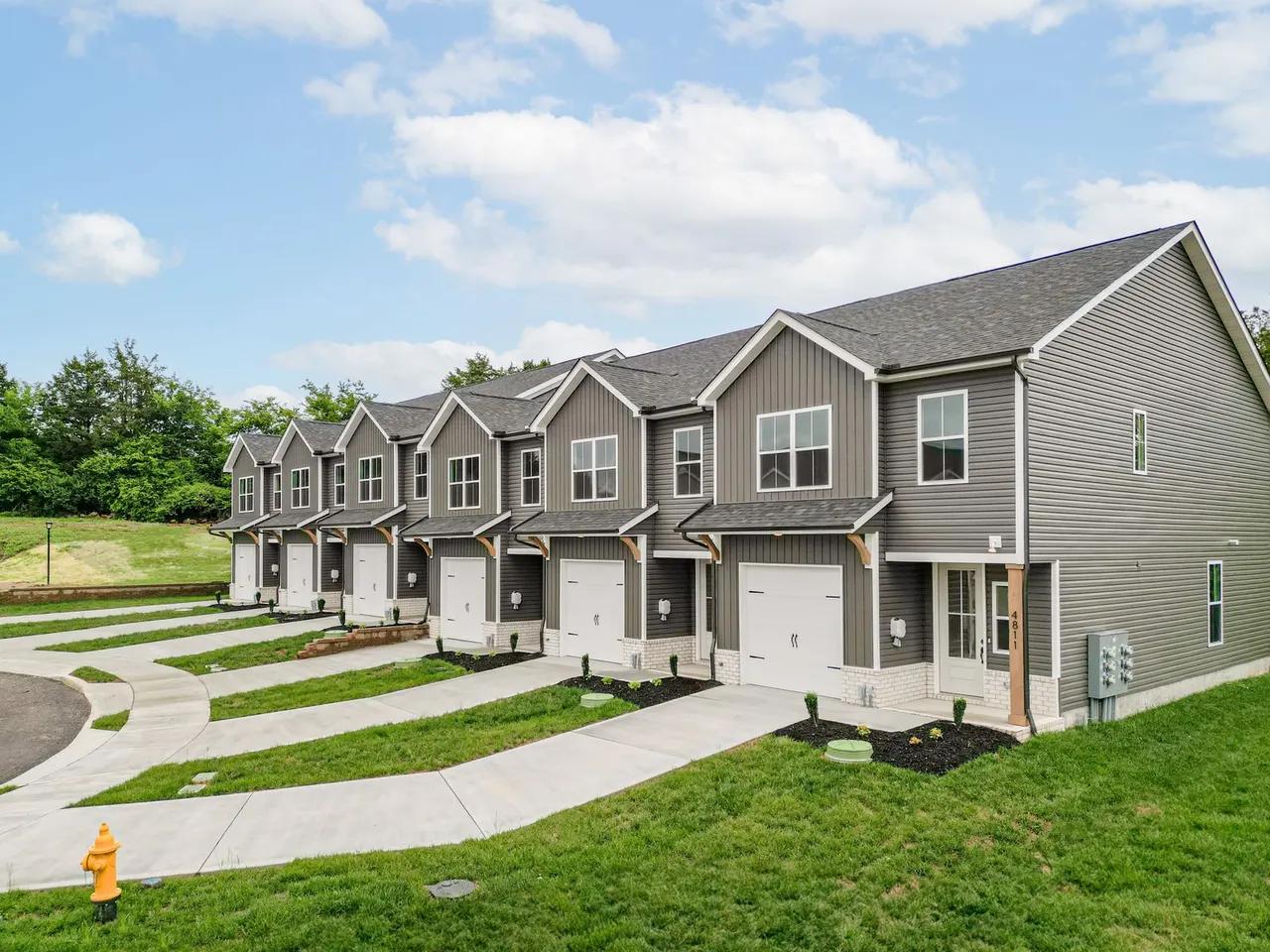
| Snowmass Townhomes, Knoxville (RTH) | $2,095 | $2,095 | Right Time Homes starting rent |
| Allston Townhomes, Rock Hill (RTH) | $2,300 | $2,300 | Right Time Homes starting rent |
| Poplar Creek Townhomes, Knoxville (RTH) | $2,545 | $2,545 | Right Time Homes starting rent |
| Dumphries Drive, Charlotte (RTH) | $3,250 | $3,250 | Right Time Homes starting rent |
Two things push a deposit above one month's rent: pets and credit. Many landlords add a separate pet deposit or a nonrefundable pet fee, and applicants with thin or damaged credit are often asked for a larger deposit or a guarantor instead of being declined outright. Where the law allows it, a higher deposit is a legitimate way for a landlord to offset risk, but it must be applied consistently. South Carolina goes further than most states here: under S.C. Code 27-40-410(c), a landlord renting more than four adjoining units who charges different tenants different deposits must disclose the standards used before the lease is signed, or lose the right to deduct the excess for damages.
What can a landlord deduct from a security deposit?
A landlord can deduct unpaid rent, unpaid utilities or fees the lease makes the tenant responsible for, the cost of repairing damage beyond normal wear and tear, and in some leases the cost of cleaning a unit left dirtier than it was received. A landlord cannot deduct for ordinary aging, routine repainting, or carpet worn thin from normal walking.
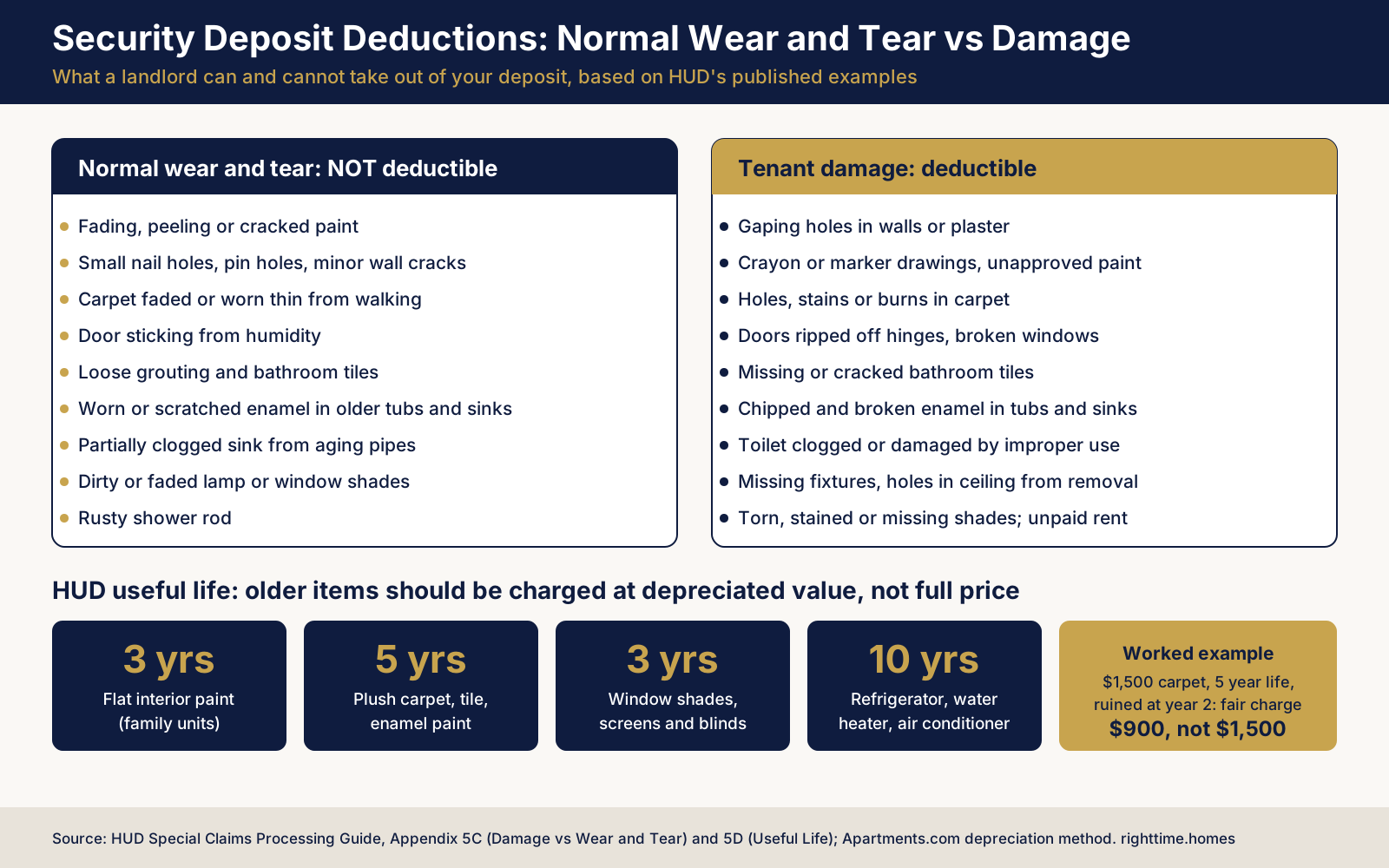
The phrase that decides most disputes is "normal wear and tear." Both Tennessee and South Carolina use it without a precise statutory definition, so courts and property managers borrow from the clearest published guide, which comes from the U.S. Department of Housing and Urban Development. HUD's Special Claims guidance (Appendix 5C) describes normal wear and tear as deterioration "typically attributable to routine use" and tenant damage as repairs "above and beyond normal wear and tear" that are "often the result of a tenant's abuse or negligence." The examples below are drawn directly from that document.
| Area of the home | Normal wear and tear (not deductible) | Tenant damage (deductible) |
|---|---|---|
| Walls and paint | Fading, peeling or cracked paint; small nail holes and pin holes; minor cracks | Gaping holes in walls or plaster; crayon or marker drawings; unapproved paint or wallpaper |
| Floors and carpet | Carpet faded or worn thin from walking; floors needing a coat of varnish | Holes, stains or burns in carpet; chipped or gouged wood floors; pet urine damage |
| Doors and windows | Door sticking from humidity; window cracked by building settling | Doors ripped off hinges; broken windows; damaged locks |
| Kitchen and bath | Loose grouting; worn or scratched enamel in older tubs and sinks; rusty shower rod; partially clogged sink from aging pipes | Missing or cracked tiles; chipped and broken enamel; toilet clogged or damaged by improper use; missing shower rod |
| Fixtures and shades | Dirty or faded lamp or window shades | Missing fixtures; holes in ceiling from removed fixtures; torn, stained or missing shades |
| Cleaning | Light dust and the kind of cleaning any turnover requires | Grease caked on the range, trash left behind, filthy appliances that need professional cleaning |
Age matters as much as the type of damage. HUD's useful life chart (Appendix 5D) gives flat interior paint a three year life in family units, plush carpet five years, and window blinds three years. Once an item is at or past its useful life, its remaining value is close to zero and a landlord should not charge a tenant full replacement cost. Apartments.com's landlord guide gives the standard calculation: a carpet that cost $1,500, has a five year life, and is three years old has two years of value left, so the most a tenant should be charged for ruining it is 40 percent, or $600. A new construction home changes this math in the tenant's favor on one side and against them on the other: everything is new, so the landlord can legitimately charge close to full replacement for real damage, but there is also no aging to argue about, and a clean move-in inspection is easy to document.
What are the security deposit laws in Tennessee?
In Tennessee counties covered by the Uniform Residential Landlord and Tenant Act, including Knox and Loudon, Tenn. Code 66-28-301 requires landlords to hold deposits in a dedicated account, disclose its location, offer a move-out inspection, and provide an itemized damage list. A landlord who skips the account or the itemization forfeits the right to keep any of the deposit.
The Tennessee act applies only in counties with more than 75,000 residents under the 2010 census (Tenn. Code 66-28-102). That covers Knox County, where Snowmass, Mockingbird Meadows, Amber Vista and Preston Park sit, and Loudon County, home of Green Meadows in Lenoir City. Within those counties, section 66-28-301 sets out the following rules.
Holding the money. Under subsection (a), a landlord who requires a security deposit must keep it in an account used only for that purpose at a bank or lending institution regulated by the state or a federal agency. Under subsection (h), the landlord must tell the tenant where the account is located at lease signing, though not the account number. Tennessee does not require the landlord to pay interest on the deposit.
The move-out inspection. Subsection (b) gives the tenant the right to inspect the home with the landlord to contest any damage charge. The landlord may give written notice of that right when asking the tenant to leave or within five days of receiving the tenant's notice to vacate. The inspection happens on the day the tenant fully moves out or within four calendar days after. Both parties sign a written listing of damage with estimated repair costs; a signed list is conclusive, so if you disagree with any item, write your objection on the list before signing. If you schedule an inspection and do not show up, or leave without notice, abandon the home, or are removed by court order, the landlord may inspect alone and must mail you the list on written request.
Forfeiture. Subsection (c) is the tenant's strongest protection: a landlord who did not keep the deposit in a proper account and did not provide a damage listing cannot keep any portion of the deposit, for damage or for rent.
Refunds and later damage. Under subsection (f), when a tenant leaves owing nothing, the landlord must send notice of the refund due to the tenant's last known or reasonably determinable address; if the tenant does not respond within 60 days, the landlord may keep the money. Under subsection (g), damage found after a completed inspection can be charged only if it was discovered before the earlier of 30 days after the tenant vacated or seven days after a new tenant moved in. Disputes go to general sessions or circuit court under subsection (d), and the tenant may only sue over items specifically disputed on the inspection list.
What are the security deposit laws in South Carolina?
South Carolina's Residential Landlord and Tenant Act, S.C. Code 27-40-410, requires landlords to return the deposit, with a written itemized list of any deductions, within 30 days after the tenancy ends and the tenant delivers possession. A landlord who fails to do so can owe the tenant three times the amount wrongfully withheld plus attorney's fees.
The South Carolina statute is shorter than Tennessee's but has sharper teeth. Under subsection (a), the landlord may apply the deposit to accrued rent and to damages caused by the tenant's failure to meet the tenant obligations in section 27-40-510, which include keeping the home clean and not deliberately or negligently damaging it. Any deduction must be itemized in a written notice delivered within 30 days after the later of the termination of the tenancy and delivery of possession, or the tenant's demand. The tenant must give a forwarding address; a tenant who does not, where the landlord has no notice of their whereabouts and mailed the notice to the last known address, loses the right to claim damages under this subsection.
Subsection (b) is the penalty. If the landlord fails to return the money with the required itemized notice, the tenant may recover three times the amount wrongfully withheld plus reasonable attorney's fees. On a $2,300 deposit at Allston Townhomes, a landlord who simply kept the money without an itemization could face a $6,900 judgment, which fits inside the $7,500 limit of South Carolina magistrate's court, the state's small claims venue. Subsection (c) adds the disclosure rule for landlords with more than four adjoining units who charge different deposits to different tenants, and subsection (d) preserves both parties' other remedies under the act. South Carolina sets no cap on deposit amounts and does not require interest.
| Rule | Tennessee (Tenn. Code 66-28-301, URLTA counties) | South Carolina (S.C. Code 27-40-410) |
|---|---|---|
| Maximum deposit | No statutory cap | No statutory cap |
| Where the deposit is held | Separate account used only for deposits at a regulated bank; tenant told the location at signing | No separate account requirement |
| Interest owed to tenant | No | No |
| Move-out inspection | Tenant has a right to a joint inspection on move-out day or within 4 days; signed list is conclusive | Not required by statute (request one anyway) |
| Itemized deductions | Written damage list with estimated repair cost per item; copy mailed on request | Written itemized notice required for every deduction |
| Return deadline | Refund notice to last known address; deposit kept if tenant does not respond within 60 days; later found damage must be discovered within 30 days of vacating or 7 days of re-letting | 30 days after the later of termination and delivery of possession, or tenant's demand |
| Forwarding address | Landlord sends to last known or reasonably determinable address | Tenant must provide one or lose the right to damages |
| Penalty for noncompliance | Landlord forfeits right to keep any part of the deposit if no proper account and no damage list | Up to 3 times the amount wrongfully withheld plus attorney's fees |
| Where to sue | General sessions or circuit court; only items disputed in writing | Magistrate's court up to $7,500 |
| Who is covered | Counties over 75,000 population (2010 census), including Knox and Loudon | Statewide |
North Carolina, where Dumphries Drive sits in Charlotte, is a useful contrast: its Tenant Security Deposit Act caps deposits at two months' rent on a year lease, requires a trust account or bond, and sets a 30 day return deadline with a 60 day extension if the landlord gives interim notice. The point for renters is that the rules change at the state line, so read the statute for the state your home is in, not the one you moved from.
How do you get your full security deposit back?
You get a full security deposit return by documenting move-in condition with dated photos, keeping rent and utilities current, giving proper written notice, cleaning the home to move-in condition, attending the move-out inspection, and leaving a forwarding address in writing. Renters who do all six rarely lose money; those who skip the photos and the inspection often do.
The numbers show why this matters. Zillow's Consumer Housing Trends data, as compiled by RapidEye Research, found that only 42 percent of renters who moved from a previous rental got their entire deposit back, 18 percent got most of it, 9 percent got some, and 24 percent got none. A Rent.com survey of 1,000 renters found that 26 percent had lost a deposit at some point and 36 percent of those were given no explanation. Roost's renter research found that 40 percent of renters challenge move-out damage charges and only 29 percent of landlords provide a cost list up front. The gap between a full refund and a zero refund usually comes down to evidence.
Step one: document move-in condition. On the day you receive keys, walk every room and photograph or video every wall, floor, appliance, window, and fixture, with timestamps on. Note anything that is already scuffed or broken on the move-in checklist and send a copy to the landlord in writing. In a new construction home this is quick: the home is new, so you are mostly confirming that it is in fact new and flagging any builder punch list items.
Step two: handle small issues during the lease. Report maintenance problems promptly and in writing; a leak you ignored that ruins flooring becomes tenant negligence, while a leak you reported is the landlord's repair. Use removable hooks rather than large anchors, put felt pads under furniture, and keep pets off new carpet where possible.
Step three: give proper notice and ask for the inspection. Follow the lease's notice period, usually 30 or 60 days, in writing. In Tennessee, ask for the joint move-out inspection under 66-28-301(b) and attend it. In South Carolina the statute does not require one, but most professional managers will do a walk-through if asked, and your own exit photos serve the same purpose.
Step four: clean to move-in standard. Patch nail holes, wipe down baseboards, clean inside the oven and refrigerator, vacuum and spot clean carpets, replace burned out bulbs, and remove every item you brought in. Cleaning charges are the most common and most avoidable deduction.
Step five: return all keys, fobs and garage remotes and hand over your forwarding address in writing. In South Carolina the forwarding address is a legal condition of recovering damages; in Tennessee it is how the refund notice reaches you.
Step six: read the itemization and dispute in writing. If a deduction is for normal wear and tear, cite HUD's examples and the item's age. If the landlord missed the statutory deadline or sent no itemization, send a written demand letter citing 66-28-301 or 27-40-410 before filing in general sessions or magistrate's court.
Security deposit worked examples: Snowmass, Allston and Poplar Creek
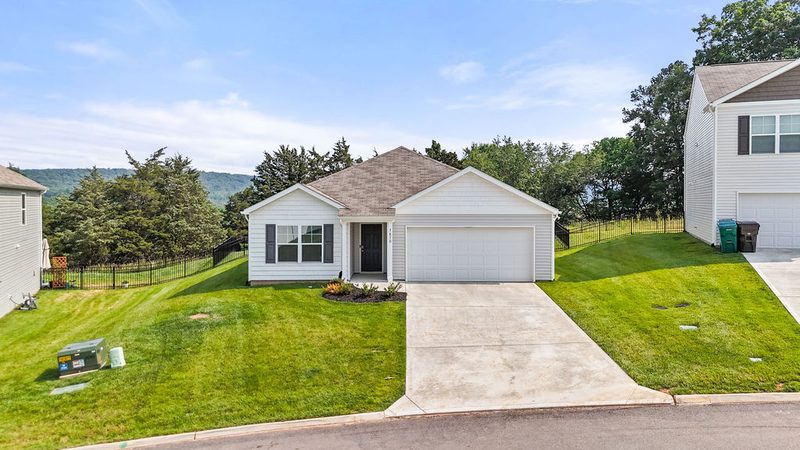
Three realistic scenarios show how deductions, useful life, and state penalties change the outcome on deposits of $2,095, $2,300 and $2,545. In the clean move-out the renter recovers 100 percent. In the moderate damage case the renter recovers about 71 percent after a prorated carpet charge. In the missed deadline case the South Carolina renter can claim treble damages.
Example 1, Snowmass Townhomes in Knoxville, $2,095 deposit, clean move-out. The renter photographed everything at move-in, reported a dripping faucet in month four, cleaned thoroughly, attended the Tennessee joint inspection, and signed a damage list showing nothing beyond a few pin holes. Pin holes are normal wear and tear under HUD's examples. Deductions: $0. Refund: $2,095.
Example 2, Poplar Creek Townhomes in Knoxville, $2,545 deposit, moderate damage. At the joint inspection the list shows a bedroom carpet with pet stains that cannot be cleaned, a cracked bathroom tile, and a two by three inch hole in the living room drywall. The carpet cost $1,500 new and is two years into a five year useful life, so 60 percent of its value remains and a fair charge is $900, not $1,500. The tile repair is $110 and the drywall patch and paint is $140. Total deductions: $1,150. Refund: $1,395, or about 55 percent. If the landlord had charged full carpet replacement, the renter should dispute the extra $600 in writing on the inspection list, since only disputed items can be raised in court under 66-28-301(d).
Example 3, Allston Townhomes in Rock Hill, $2,300 deposit, landlord misses the deadline. The renter moved out on June 30, returned keys, and emailed a forwarding address the same day. By August 15, 46 days later, no refund and no itemization has arrived. Under S.C. Code 27-40-410(a) the landlord had until July 30. Under subsection (b) the renter may now sue in magistrate's court for up to three times the amount wrongfully withheld, $6,900, plus reasonable attorney's fees. In practice a demand letter citing the statute usually produces the refund within days.
| Scenario | Deposit | Deductions | Refund | Share returned |
|---|---|---|---|---|
| Snowmass, clean move-out, joint inspection signed | $2,095 | $0 | $2,095 | 100% |
| Poplar Creek, pet stained carpet (prorated), tile, drywall | $2,545 | $1,150 | $1,395 | 55% |
| Poplar Creek, same damage but carpet charged at full cost (disputable) | $2,545 | $1,750 | $795 | 31% |
| Allston, landlord misses 30 day deadline, no itemization | $2,300 | $0 lawful | $2,300 plus up to $4,600 in statutory damages | Up to 300% |
Is a security deposit the same as last month's rent, a pet deposit, or a move-in fee?
No. A security deposit is refundable and may be applied to damage or unpaid rent at move-out. Last month's rent is prepaid rent for your final month and cannot be used for damage. A pet deposit is refundable and limited to pet damage; a pet fee or move-in fee is nonrefundable. The lease label controls how each sum is treated.
Zillow's 2025 renter data shows how these stack up: 73 percent of recent renters had to pay first month's rent to secure the home, 83 percent paid a security deposit, 24 percent paid last month's rent, and 73 percent paid an application fee with a median of $75 among those who paid. Some landlords now offer deposit alternatives, such as a small monthly fee to a surety company in place of a lump sum deposit. These lower the move-in cost but the fee is never returned, and the renter is still liable for damage the surety pays out. For a renter who expects to leave the home in good shape, a traditional refundable security deposit is usually cheaper over a one or two year lease.
How do security deposits work at Right Time Homes?
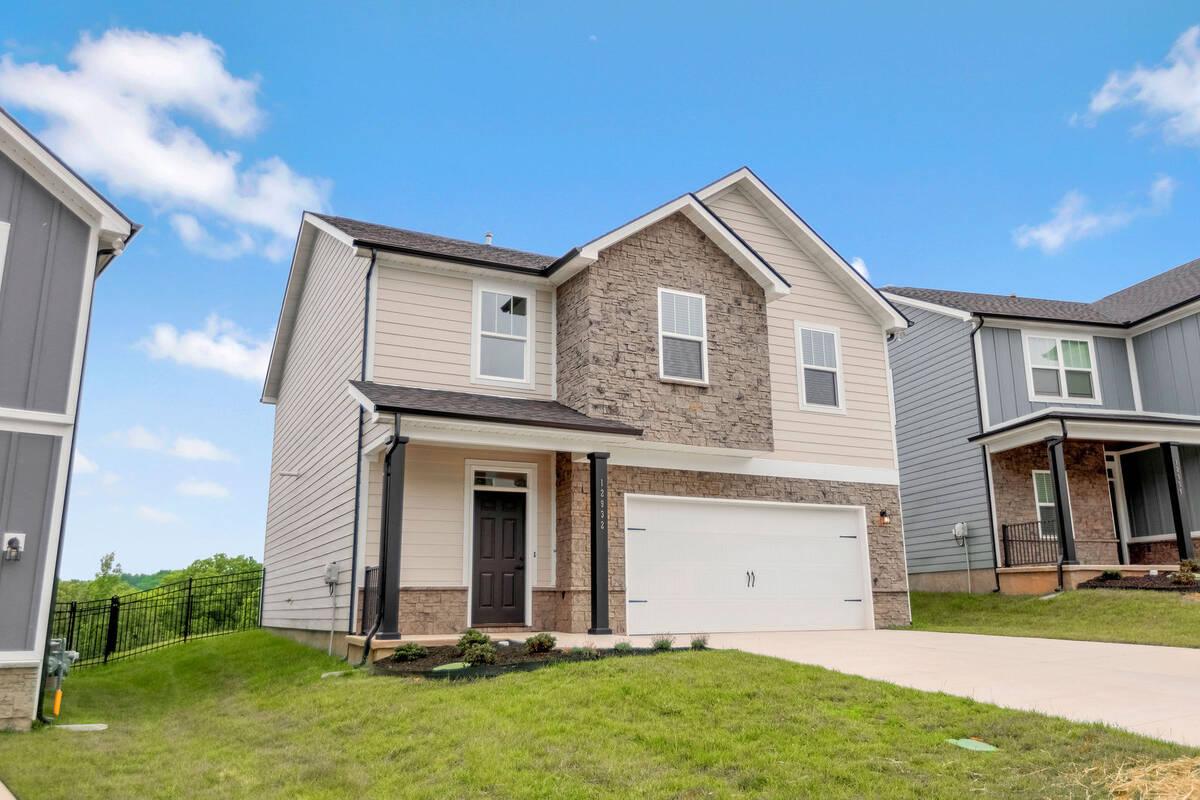
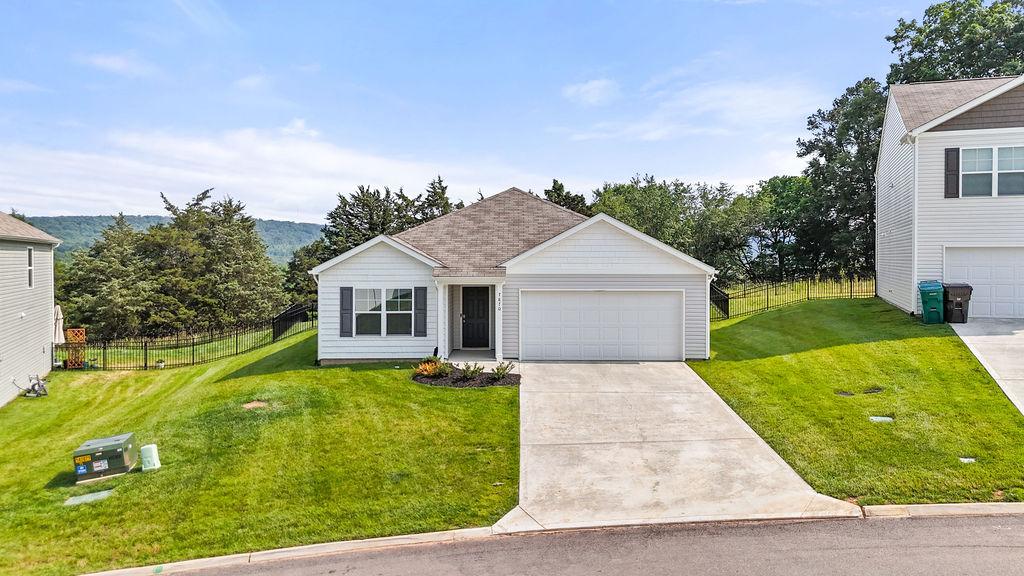
Right Time Homes builds and manages new construction townhomes and single family homes for rent in Knoxville and Lenoir City, Tennessee, in Rock Hill, South Carolina, and in Charlotte, North Carolina, with starting rents from $2,095 to $3,250. Because every home is new, move-in condition is simple to document and deposit disputes about age or prior damage rarely arise.
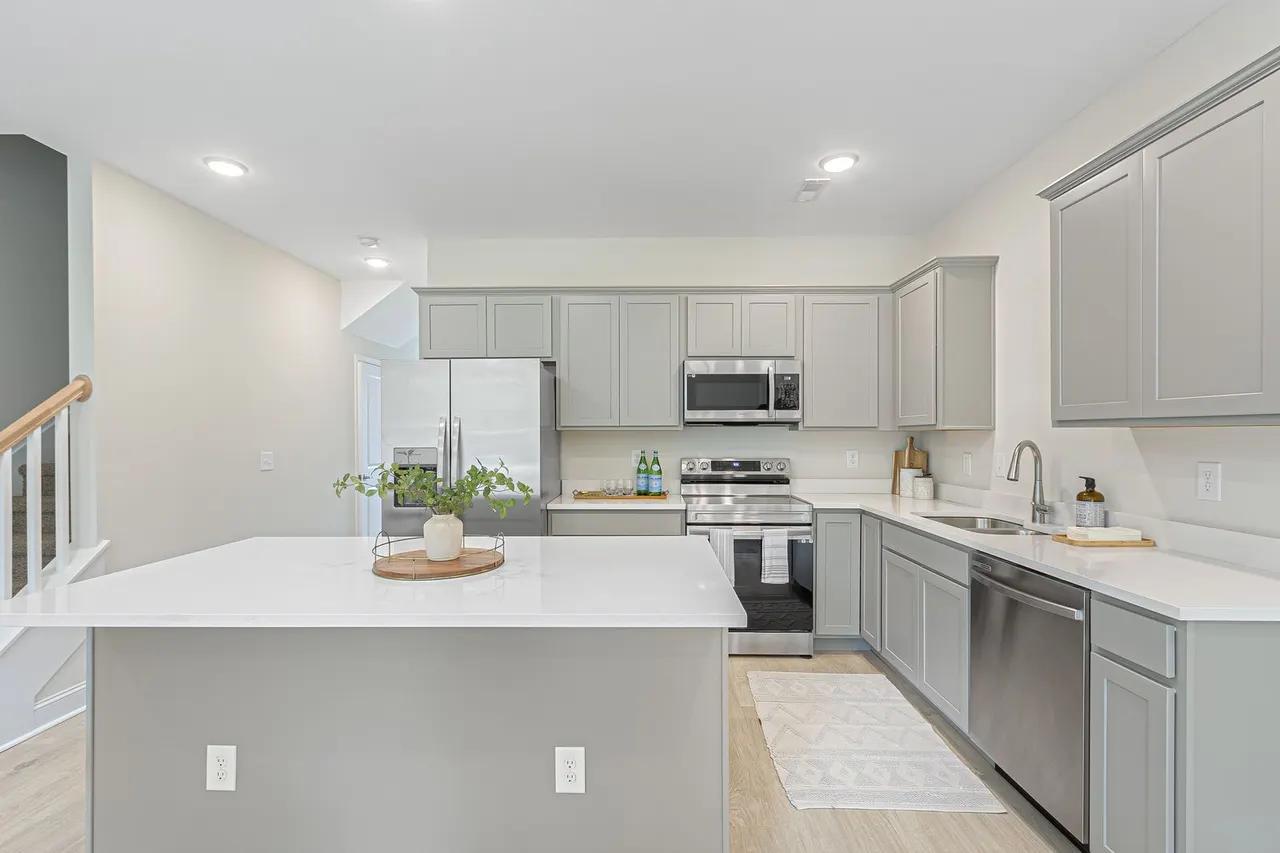
Renting new construction changes the security deposit conversation in a practical way. There is no five year old carpet to argue over, no previous tenant's nail holes on the move-in sheet, and the inspection at move-in doubles as a builder walk-through. Professional management also means the itemization, the inspection notice and the refund timeline follow a written process rather than one owner's memory, which is exactly what Tenn. Code 66-28-301 and S.C. Code 27-40-410 are designed to enforce. If you are comparing options, our guide to new construction vs older rentals covers the maintenance and condition differences in more depth.
In Knoxville, browse houses for rent in Knoxville, Tennessee, including Snowmass Townhomes from $2,095, Poplar Creek Townhomes from $2,545, Mockingbird Meadows from $2,650, Amber Vista from $2,695, and Preston Park Townhomes from $2,800. In Lenoir City, Green Meadows single family homes start at $3,150. In South Carolina, see houses for rent in Rock Hill, South Carolina and Allston Townhomes from $2,300. In Charlotte, Dumphries Drive homes start at $3,250.
Before you sign, read the deposit, pet and move-out clauses carefully. Our earlier posts on lease agreements and what it costs to break one and rent to own homes explain the other large sums that change hands at the start and end of a tenancy, and how they differ from a refundable security deposit.
Frequently Asked Questions
What is a security deposit on an apartment or rental home?
A security deposit is refundable money a renter pays before moving in that the landlord holds as protection against unpaid rent and damage beyond normal wear and tear. It is usually about one month's rent. At move-out the landlord must return it or send a written itemized list of deductions within the deadline set by state law.
How much is a typical security deposit in 2026?
Most landlords charge roughly one month's rent. Zillow's 2025 Consumer Housing Trends Report found a median security deposit of about $800 and an average of $1,603 among renters who paid one. With the typical U.S. rent at $1,932 in September 2026, a one month deposit on an average home is close to $1,900, and more for a new construction house.
How long does a landlord have to return a security deposit in Tennessee?
Tennessee's statute does not set a single flat deadline. Under Tenn. Code 66-28-301 the landlord must offer a move-out inspection, provide an itemized damage list, and send notice of any refund to your last known address. Damage discovered after the inspection must be found within 30 days of move-out or 7 days of a new tenant moving in, and an unclaimed refund can be kept after 60 days.
How long does a landlord have to return a security deposit in South Carolina?
Thirty days. Under S.C. Code 27-40-410 the landlord must return the deposit, with a written itemization of any deductions, within 30 days after the later of the end of the tenancy and your delivery of possession, or your written demand. You must give a forwarding address. If the landlord misses the deadline, you can sue for three times the amount wrongfully withheld plus attorney's fees.
Can a landlord keep my security deposit for normal wear and tear?
No. Normal wear and tear, such as faded paint, small nail holes, carpet worn thin from walking, or a door that sticks from humidity, is the landlord's cost of doing business. Only damage beyond that, like large holes, burns or stains in carpet, broken windows, or missing fixtures, can be deducted, and older items should be charged at depreciated value, not full replacement.
What is the difference between a security deposit and last month's rent?
A security deposit is refundable collateral that can be applied to damage or unpaid rent at move-out. Last month's rent is prepaid rent that simply covers your final month; the landlord cannot use it for repairs. If your lease asks for both, you are paying roughly two months of rent up front, and only the deposit portion is subject to the itemization and return rules.
Can I use my security deposit as my last month's rent?
Not unless the landlord agrees in writing. The deposit is held for damage and unpaid balances and is settled after you move out and the home is inspected. Skipping the final rent payment and telling the landlord to take it from the deposit is a lease violation in most states and can lead to late fees, a negative rental history, or an eviction filing.
What should I do if my landlord will not return my security deposit?
Send a written demand letter citing your state statute, Tenn. Code 66-28-301 or S.C. Code 27-40-410, with your move-out date, forwarding address, and copies of your move-in and move-out photos. If that fails, file in Tennessee general sessions court or South Carolina magistrate's court, which hears claims up to $7,500. In South Carolina you can ask for three times the amount withheld plus attorney's fees.
Sources
- Tenn. Code Ann. 66-28-301, Security deposits (Justia, 2024 code)
- Tenn. Code Ann. 66-28-102, Application of the Uniform Residential Landlord and Tenant Act (counties over 75,000 population)
- S.C. Code Title 27, Chapter 40, Residential Landlord and Tenant Act, Section 27-40-410 (South Carolina Legislature)
- N.C. Gen. Stat. Chapter 42, Article 6, Tenant Security Deposit Act (42-50 to 42-52) (North Carolina General Assembly)
- South Carolina Security Deposit Limits and Deadlines (Nolo; magistrate's court limit under S.C. Code 22-3-10)
- Security Deposits Under Tennessee's Uniform Residential Leasing Law (Attorney at Law Magazine)
- HUD Special Claims Processing Guide, Appendix 5C (Tenant Damages vs Normal Wear and Tear) and Appendix 5D (Useful Life) (U.S. Department of Housing and Urban Development)
- Renters: Results from the Zillow Consumer Housing Trends Report 2025 (Zillow Research)
- Zillow September 2026 Market Report (published October 6, 2026; typical rent $1,932, Charlotte $1,735)
- Average Rental Price in Knoxville, TN (Zillow Rental Manager, updated October 6, 2026)
- Average Rental Price in Rock Hill, SC (Zillow Rental Manager)
- Apartment List National Rent Report, September 2026
- Security Deposit Statistics (2026): Amounts, Laws by State, Return Rates (RapidEye Research, compiling Zillow, Roost and Rent.com survey data)
- Security Deposit Statistics and Research (Roost)
- Landlord's Guide to Normal Wear and Tear in Rentals (Apartments.com; depreciation example)
- Tennessee Security Deposit Law and South Carolina Security Deposit Law (iPropertyManagement, 2026)
This article is general information, not legal advice. Statutes are current as of October 2026; confirm the text with the official state code or a licensed attorney before relying on it.
Last updated: October 15, 2026
Andrew Garza
Real Estate Development Editor
Andrew Garza writes about rental market trends, new-construction homes, and the rent-versus-buy decision for Right Time Homes across Tennessee, North and South Carolina.